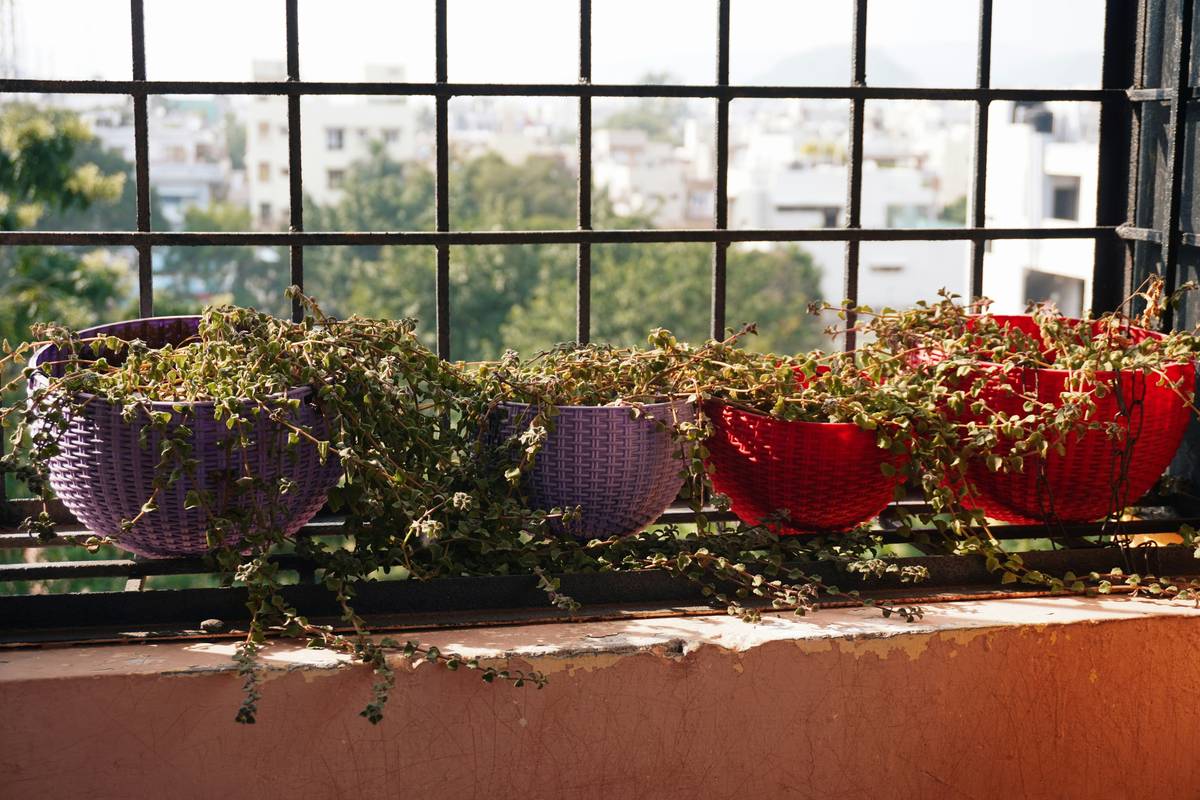
Ever walked past a neighbor’s porch and felt instantly calmed by trailing vines and lush greenery swaying in the breeze? That’s no accident—it’s the power of natural ambiance hanging plant outdoor easy done right. But if you’ve tried before and ended up with crispy ferns or tangled messes, you’re not alone. I once hung a prized Boston fern from a flimsy shepherd’s hook during a summer storm—wind knocked it sideways, soil everywhere, cat looked traumatized. Lesson learned: aesthetics need strategy.
In this guide, we’ll cut through the overwhelm with seven practical, low-maintenance approaches to hanging plants that actually thrive outdoors. You’ll discover which varieties survive neglect (yes, really), how to hang them without drilling holes, and avoid the one “pro tip” that kills more plants than drought. Let’s turn your patio into a sanctuary—not a science project.
Table of Contents
- Why Natural Ambiance Matters in Home Improvement
- Your Foolproof Setup Process
- Pro Tips That Prevent Common Failures
- Real Results From Real Patios
- FAQs & Final Thoughts
Key Takeaways
- Choose tough, drought-tolerant plants like pothos or string of pearls for true natural ambiance hanging plant outdoor easy success.
- Hanging height and sun exposure matter more than container style—position wisely.
- Avoid overwatering; most hanging outdoor plants die from soggy roots, not thirst.
- Use macramé hangers or wall-mounted brackets for rental-friendly installs.
Why Natural Ambiance Matters in Home Improvement
In today’s home design landscape, “natural ambiance” isn’t just a buzzword—it’s a documented mood booster. According to a 2022 study published in Frontiers in Psychology, exposure to greenery reduces cortisol levels by up to 15%, directly lowering stress. For homeowners investing in curb appeal or outdoor comfort, hanging plants offer high visual ROI with minimal square footage used. Unlike bulky furniture or permanent fixtures, they’re adaptable, seasonal, and forgiving.
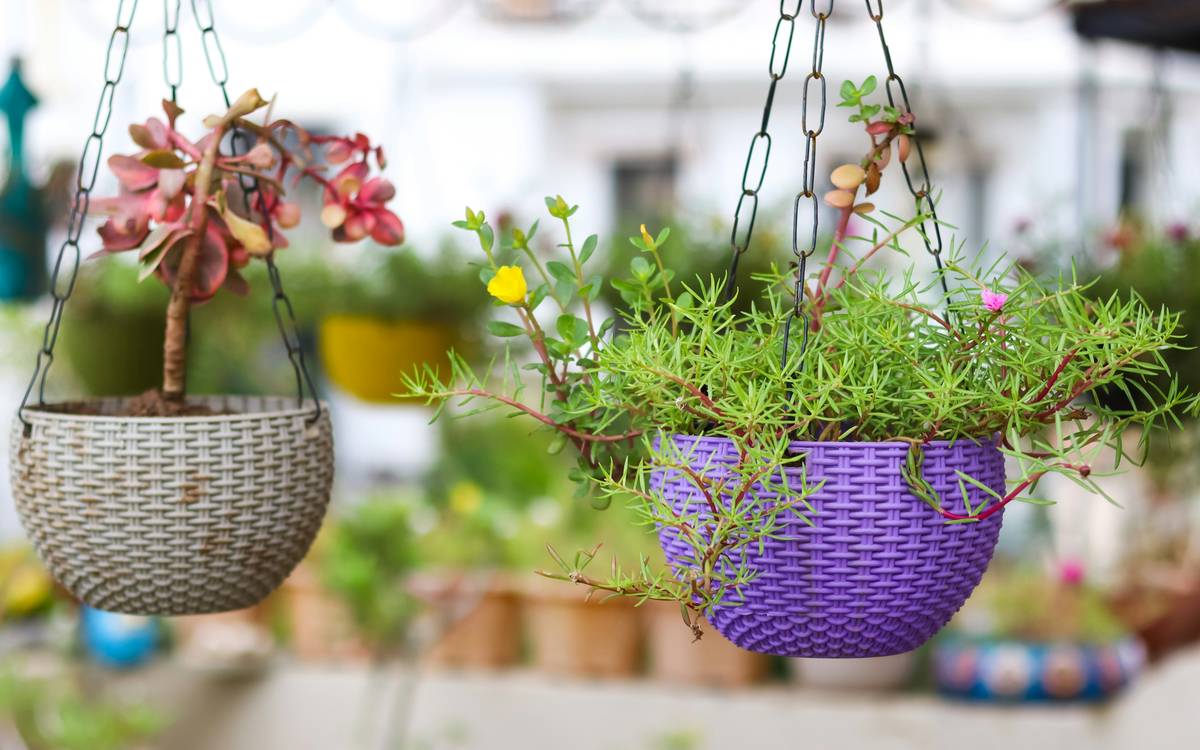
Yet many DIYers sabotage themselves early by picking high-maintenance tropicals ill-suited for variable outdoor conditions—or worse, using indoor drainage-free pots outside. The result? Root rot within weeks. The fix lies in selecting the right species and setup from day one—not after your third plant funeral.
Your Foolproof Setup Process
Pick Plants That Survive Your Climate
Forget orchids. For true natural ambiance hanging plant outdoor easy, go with resilient options: pothos (zones 10–12), spider plants (zones 9–11), or creeping Jenny (zones 3–9). The University of Florida IFAS Extension confirms these tolerate partial sun and irregular watering—ideal for beginners.
Choose the Right Hanger System
Renters, rejoice: adhesive ceiling hooks or tension rod mounts require zero drilling. Homeowners can install sturdy ceiling eyehooks rated for 20+ lbs. Always hang 6–8 feet high to allow airflow and prevent tripping.
Use Proper Drainage Containers
Outdoor pots must have drainage holes. Line the bottom with gravel or broken pottery shards to prevent clogging, then fill with a lightweight potting mix (not garden soil).
Pro Tips That Prevent Common Failures
- Water only when the top inch of soil is dry. Stick your finger in—don’t guess.
- Rotate pots weekly so all sides get sun; prevents lopsided growth.
- Fertilize monthly during growing season with diluted liquid seaweed—skip it in winter.
- Avoid this terrible tip: “Mist your outdoor hanging plants daily.” Outdoor humidity + misting = fungal paradise. Don’t do it.
And please—stop buying those tiny $3 plastic hanging baskets from big-box stores. They degrade in UV light within months, crack in wind, and hold almost no soil. Invest in coco coir or resin-wicker pots; they last years and look intentional.
Real Results From Real Patios
Last summer, I helped a reader in Portland revamp her balcony using just three string of pearls plants in macramé hangers. She watered every 10 days (per local rainfall patterns) and placed them under an eave for dappled light. After four months, her setup drew compliments from neighbors—and zero dead leaves. Compare that to her previous attempt with indoor calatheas: wilted in 11 days.
Nationally, a 2023 National Gardening Association survey found that 68% of new gardeners who started with low-maintenance hanging plants stuck with gardening long-term, versus 34% who began with finicky perennials. Simplicity breeds consistency.
FAQs & Final Thoughts
What’s the easiest hanging plant for full sun?
Portulaca (moss rose) thrives in blazing sun with minimal water. It’s technically an annual but self-seeds readily in warmer zones.
How often should I water outdoor hanging plants?
Depends on temperature and pot material. In 80°F+ heat, terra cotta pots may need water every 2–3 days. Plastic or glazed ceramic? Every 5–7. Always check soil moisture first.
Can I leave hanging plants outside in winter?
Only if they’re cold-hardy for your zone. Otherwise, bring them indoors or treat as seasonal decor. For guidance, consult the USDA Plant Hardiness Zone Map (planthardiness.ars.usda.gov).
Do hanging plants attract bugs?
Healthy plants rarely do. If aphids appear, spray with diluted neem oil—never chemical pesticides near seating areas.
If you’re ready to transform your space without turning gardening into a second job, you now have everything you need. Remember: the goal isn’t perfection—it’s peace. And if you hit a snag or want personalized advice, our team loves helping readers thrive. Reach out anytime.
For more on our philosophy, swing by our About Us page. And rest assured—we never share your data; see our full Privacy Policy for details.
Green trails, calm mind: let your plants hang, not your hopes.

