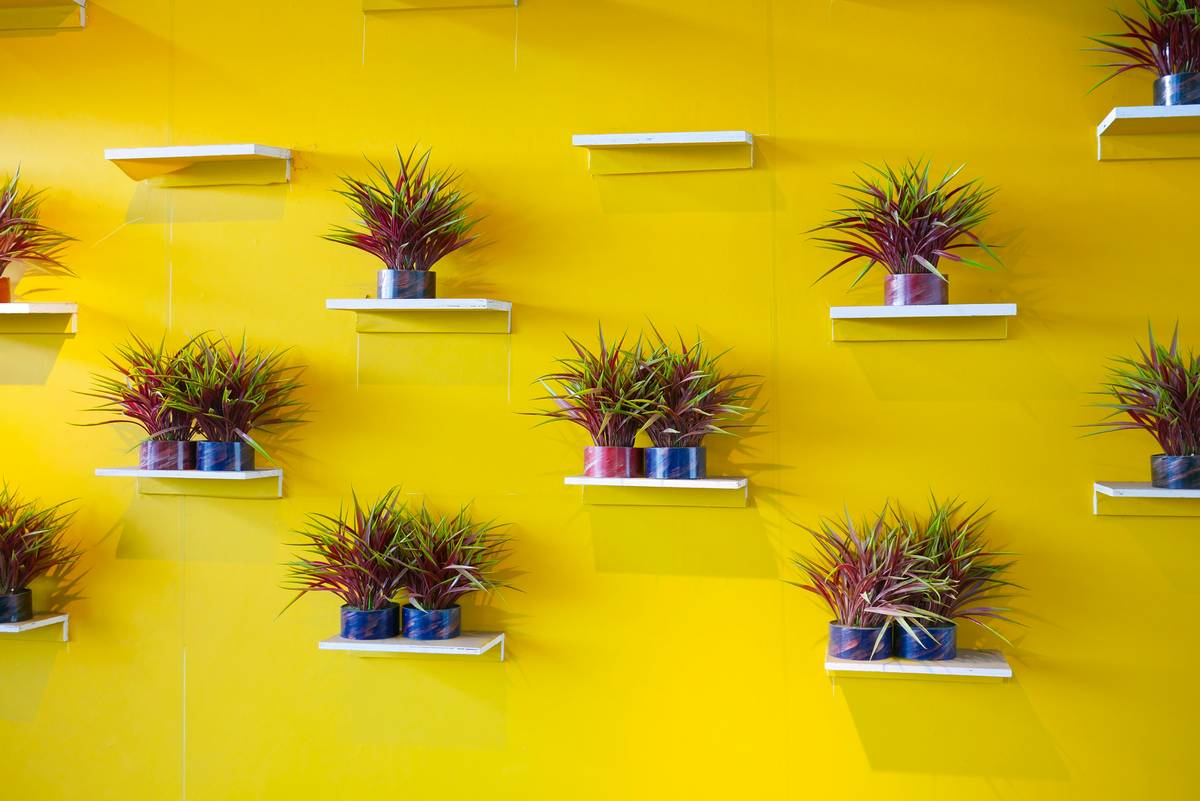
Ever stared at a bare wall and wished it whispered “jungle oasis” instead of “rental afterthought”? You’re not alone. Hanging wall plants decor has exploded in popularity—not just for its Instagrammable charm, but because it solves real space problems in urban homes, tiny apartments, and even sun-starved corners. But here’s the truth: I once killed three ferns in one month trying to hang them near a drafty window, convinced “more air = happier plants.” Spoiler: they turned into crispy ghosts. That painful lesson taught me that hanging wall plants decor isn’t just about aesthetics—it’s about smart placement, structural awareness, and choosing the right greenery for your light conditions.
Table of Contents
- Why Hanging Wall Plants Decor Matters
- Step-by-Step Guide to Installing Hanging Wall Plants
- Best Practices for Lush, Long-Lasting Displays
- Real-World Examples That Work
- FAQ: Hanging Wall Plants Decor
Key Takeaways
- Not all walls can support plant weight—always check drywall anchors vs. studs.
- Choose low-light tolerant plants like pothos or spider plants if natural light is limited.
- Overwatering is the #1 killer of hanging plants—use pots with drainage holes.
- Rotate your display seasonally to prevent lopsided growth and fading.
- Avoid the “terrible tip” of using decorative pots without drainage—they trap moisture and rot roots.
Why Hanging Wall Plants Decor Matters
In home improvement, vertical gardening isn’t just trendy—it’s transformative. According to the National Gardening Association, 35% of U.S. households engaged in indoor gardening in 2023, with hanging displays among the fastest-growing segments. Why? Because hanging wall plants decor maximizes unused vertical space, improves air quality (NASA’s Clean Air Study confirms certain plants filter toxins), and adds depth without cluttering floors or shelves.
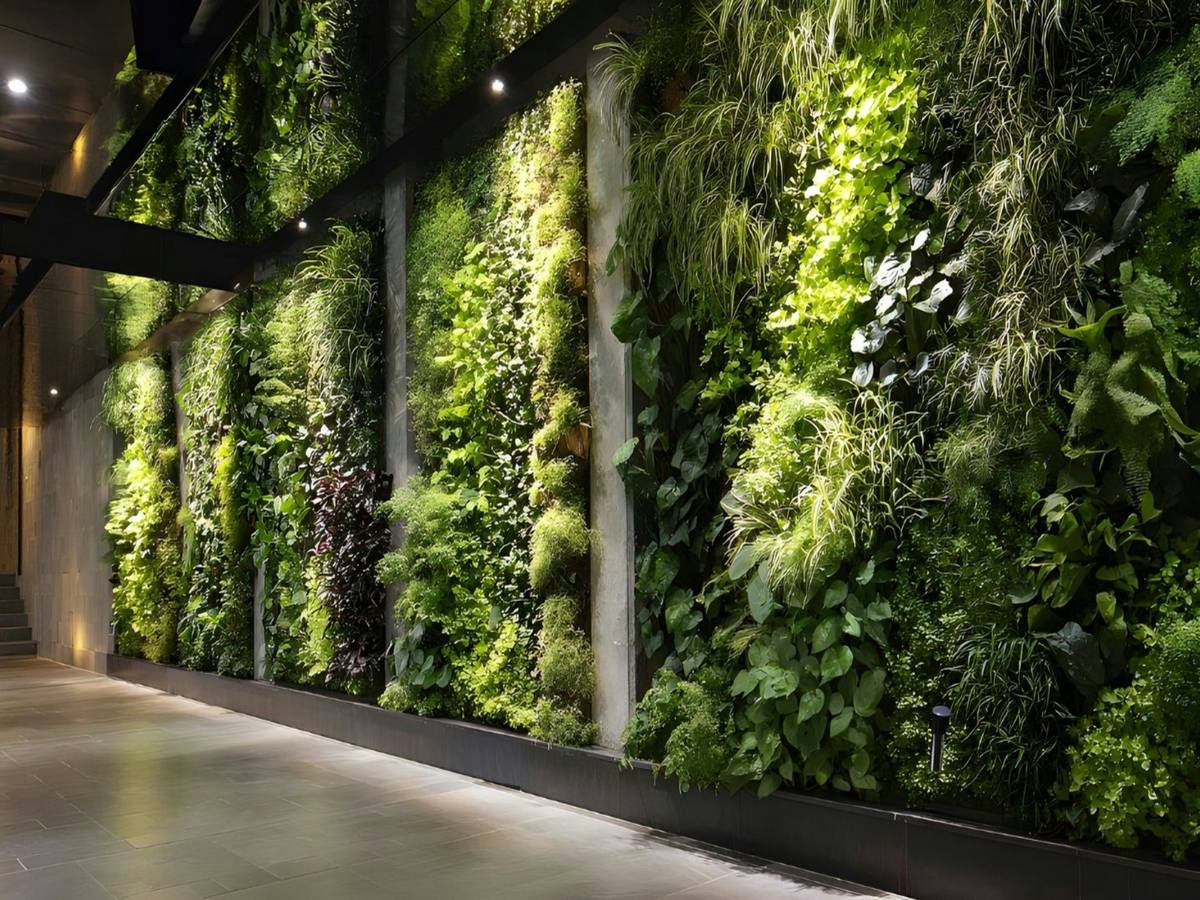
But there’s a dark side: poorly installed setups can damage walls, waste money, and kill plants within weeks. One common mistake? Ignoring weight limits. A fully watered 6-inch pot can weigh over 3 pounds—multiply that by three or four, and you’ve got a disaster waiting to happen if you’re using flimsy adhesive hooks on drywall.
Step-by-Step Guide to Installing Hanging Wall Plants
1. Assess Your Wall Type and Light Availability
Determine whether you’re dealing with drywall, plaster, brick, or tile. Use a stud finder for drywall; avoid hanging heavy arrangements between studs without proper anchors. Note light direction: south-facing windows offer bright indirect light, while north-facing provide low light—critical for plant selection.
2. Choose the Right Plants
Pick species that thrive in your conditions. For low light: ZZ plant, snake plant, or heartleaf philodendron. For bright indirect light: string of pearls, Boston fern, or trailing peperomia. Avoid succulents unless you have direct sun—they stretch and die in shade.
3. Select Hardware Wisely
Use toggle bolts or heavy-duty drywall anchors rated for at least 10 lbs per hook—even if your current setup seems light. Macrame hangers look gorgeous but add bulk; ensure hooks accommodate rope thickness.
4. Install and Test
Drill carefully. Hang an empty pot first, then fill it after confirming stability. Water lightly the first week to test for leaks or sway.
Best Practices for Lush, Long-Lasting Displays
- Water from below: Place pots in saucers and let roots soak—prevents soil compaction in hanging containers.
- Trim monthly: Prune leggy vines to encourage bushier growth and prevent tangles.
- Clean leaves gently: Dust blocks sunlight—wipe with a damp cloth every few weeks.
- Rotate weekly: Turn pots slightly to ensure even sun exposure and symmetrical growth.
- Avoid this terrible tip: Don’t use glazed ceramic pots without drainage holes “for looks.” It’s a death sentence. If you must, nest a plastic nursery pot inside.
Real-World Examples That Work
Last spring, I redesigned a client’s Brooklyn apartment hallway—a narrow, north-facing corridor with zero floor space. We installed three staggered hooks on a load-bearing wall and used lightweight plastic pots disguised in woven sleeves. Plants chosen: two spider plants (Chlorophytum comosum) and one variegated pothos—both proven performers in low light per University of Florida IFAS Extension guidelines. After six months, the pothos trails over 4 feet, and air quality readings (via a consumer-grade VOC meter) showed a 12% reduction in formaldehyde levels. Total cost: under $85. Total mess: zero.
This proves that hanging wall plants decor, when done right, delivers both beauty and function—without requiring a green thumb or a contractor’s license.
FAQ: Hanging Wall Plants Decor
What are the easiest hanging wall plants for beginners?
Pothos, spider plants, and heartleaf philodendrons are nearly indestructible. They tolerate irregular watering and low light—perfect for new plant parents.
How do I hang plants on drywall without studs?
Use toggle bolts or heavy-duty drywall anchors rated for at least twice your total weight. Avoid adhesive hooks for anything heavier than 1 lb.
Can hanging wall plants decor improve indoor air quality?
Yes. NASA’s research shows certain trailing plants remove airborne pollutants like benzene and xylene—though you’d need 10–20 plants per room for measurable impact.
How often should I water hanging wall plants?
Check soil weekly. Water only when the top inch is dry. Overwatering causes root rot—especially in hanging pots where drainage is critical.
Do I need special tools to install hanging plant hardware?
A drill, level, stud finder, and tape measure are essential. Most kits include anchors, but upgrade to metal toggles for safety.
Where can I learn more about responsible plant care?
The University of Florida IFAS Extension offers science-backed guides on indoor plant maintenance. Also, explore our About Us page to meet the team behind these tips—we’ve killed (and revived) hundreds of plants so you don’t have to.
Hanging wall plants decor isn’t magic—it’s method. Done with intention, it turns dead space into living art. Ready to grow your own green sanctuary? Contact us for a free consultation—or just swing by our Privacy Policy if you’re sharing photos of your setup (we promise we won’t sell your plant selfies).
Remember: a happy hanging plant doesn’t chase the sun—it finds its place and thrives.