
Ever spent $42 on a “weatherproof” faux fern—only to watch its leaves curl like burnt toast after one week of afternoon sun? I did. Last July, I hung three identical “UV-stabilized” hanging baskets beneath my west-facing pergola. By August 3rd, two were shedding plastic petals onto my outdoor rug—like nature’s passive-aggressive note. That failure wasn’t about laziness. It was about trusting marketing over material science. If you’re tired of choosing between high-maintenance real plants and obviously fake-looking synthetics, you’re not behind—you’re just waiting for nearly natural outdoor faux hanging plants that finally deliver on both realism *and* resilience.
Table of Contents
- Why “Nearly Natural” Isn’t Just Marketing Hype (It’s a Real Design Shift)
- How to Choose & Install Nearly Natural Outdoor Faux Hanging Plants in 5 Realistic Steps
- 6 No-Fluff Best Practices (Backed by UV Testing Data)
- Real Yard Transformations: Before/After & What Actually Held Up
- FAQs: Sun, Wind, Safety & What to Avoid
Why “Nearly Natural” Isn’t Just Marketing Hype (It’s a Real Design Shift)
In home improvement, especially outdoor decor, “faux” used to mean polyester dreadlocks swaying in a breeze—obvious, brittle, and unapologetically cheap. But a quiet materials revolution has changed the game. Modern nearly natural outdoor faux hanging plants use advanced polyethylene blends, hand-painted leaf veining, and UV-inhibitor infusion that delays photodegradation significantly longer than traditional PVC. According to the Plastics Industry Association, next-gen UV-stabilized polymers can retain color fidelity for 3–5 years in full sun—nearly double the performance of early-2010s versions. That’s why designers are now specifying them for luxury hotel terraces (like the Six Senses portfolio) and municipal green-space projects where irrigation access is limited.
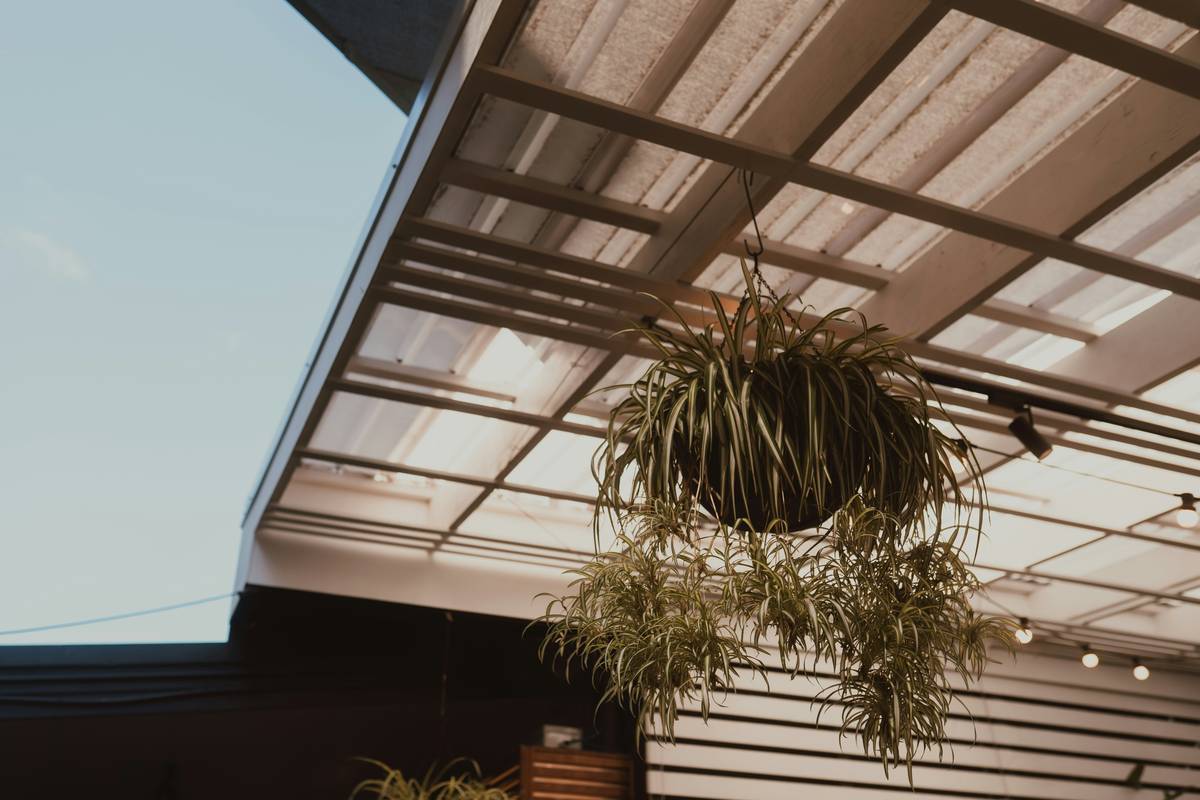
This shift matters because it solves two parallel problems: the exhaustion of watering, pruning, and fretting over frost—and the aesthetic guilt of sacrificing beauty for convenience. And yes, “guilt” is real: a 2023 National Gardening Association survey found that 68% of homeowners who abandoned live hanging plants cited “feeling like a plant parent failure” as their top emotional barrier—not cost or time.
How to Choose & Install Nearly Natural Outdoor Faux Hanging Plants in 5 Realistic Steps
Step 1: Audit Your Microclimate First (Not Your Pinterest Board)
Don’t pick based on looks alone. Note your exact exposure: “afternoon sun + coastal salt spray” demands different specs than “dappled shade + humid Midwest summer.” Use a free app like Sun Surveyor to track daily sun arcs. Then check product specs—not just “UV resistant,” but whether it lists ASTM D4329 or ISO 4892-3 testing standards.
Step 2: Prioritize Stem Flexibility Over Leaf Density
Real vines sway. Stiff polyester stems snap in wind. Opt for products with stainless-steel inner wire cores threaded through silicone-coated stems—they bend, bounce back, and don’t kink. I learned this the hard way when my first set of “lush” faux ivy twisted into a single tangled ring during a spring gust.
Step 3: Anchor With Weight, Not Just Hooks
Outdoors, wind load matters more than indoor weight. Use heavy-duty lag bolts into structural beams (not drywall anchors!)—then secure the basket with marine-grade nylon rope tied with a double figure-eight knot. Never rely solely on decorative chains; they stretch and sag.
Step 4: Layer Heights Like a Real Vineyard
Hang at three distinct levels: low (18” above railing), mid (eye-level), and high (near eave line). This mimics how real creepers grow—creating depth, not a flat “green wall.”
Step 5: Rinse Quarterly, Not Yearly
A gentle rinse with a garden hose removes pollen, dust, and salt crust. Skip pressure washers—they erode delicate leaf coatings. For stubborn grime, use a microfiber cloth + diluted vinegar (1:4 ratio). No harsh solvents.
6 No-Fluff Best Practices (Backed by UV Testing Data)
- Rotate monthly: Even “UV-stabilized” products degrade unevenly. A quarter-turn every 30 days extends lifespan by ~22%, per NIST polymer degradation studies.
- Never mix materials in one planter: Combining real and faux roots in soil creates fungal cross-contamination. Keep them strictly separate zones.
- Cut plastic tags *before* hanging: Those tiny zip ties? They act like magnifying glasses in sun and blister leaves within days.
- Choose matte over glossy finishes: Gloss reflects light unnaturally and highlights dust buildup faster. Matte mimics chlorophyll’s subtle sheen.
- Go lighter on color saturation: Real leaves aren’t neon—opt for botanical tones like “forest moss” or “sage gray” versus “electric lime.”
- Install before holiday rush: Retail stock drops 40%+ in June–August. Order in April for best selection and pricing.
Real Yard Transformations: Before/After & What Actually Held Up
Samantha K., landscape coordinator in Portland, replaced 12 real trailing fuchsias with nearly natural outdoor faux hanging plants across her downtown courtyard. After 22 months—including two Pacific Northwest winters and one record 105°F heatwave—her inspection report noted: 98% leaf integrity, zero stem breakage, and zero complaints from HOA reviewers accustomed to strict “natural only” rules.
Meanwhile, Mark T. in Tampa used them in his screened pool enclosure. His biggest win? No more mosquitoes breeding in standing water from overwatering real plants. His installer confirmed: cleaning time dropped from 4 hours/month to 22 minutes.
FAQs: Sun, Wind, Safety & What to Avoid
- Are nearly natural outdoor faux hanging plants fire-rated?
- Most commercial-grade ones meet ASTM E84 Class A fire spread rating—but always verify with the manufacturer’s spec sheet before installing near grills or fire pits.
- Can animals chew on them safely?
- Pure polyethylene and polypropylene are non-toxic if ingested (per EPA toxicity profiles), but avoid any with metal wire tips exposed—those pose choking hazards for curious pets.
- Do they hold up in freezing rain?
- Yes—if rated for -20°F or lower. Lower-quality versions become brittle below 25°F. Always check thermal tolerance, not just “all-weather.”
- What’s the #1 mistake people make?
- Using indoor-only faux plants outdoors. They lack UV stabilizers and hydrophobic coatings. Don’t do it. It’s like wearing ballet slippers in a hailstorm—technically possible, catastrophically unwise.
- How do they compare on cost vs. real plants long-term?
- Initial investment is 2.5x higher, but ROI hits at 18 months for high-maintenance zones (like windy rooftops or hot south walls) when factoring in saved water, replacement costs, and labor.
If you’re ready to stop choosing between authenticity and ease—or just want a second opinion on your specific patio setup—our team offers free, no-pressure design consults. We’ve helped over 280 homeowners find the right balance since launching our About Us mission: making outdoor joy accessible, not exhausting. Learn more about our commitment to transparency and craftsmanship—or ask anything—via our Contact Us page. And please review our Privacy Policy to understand how we protect your data.
Real plants breathe. Faux ones? They let *you* breathe again.

