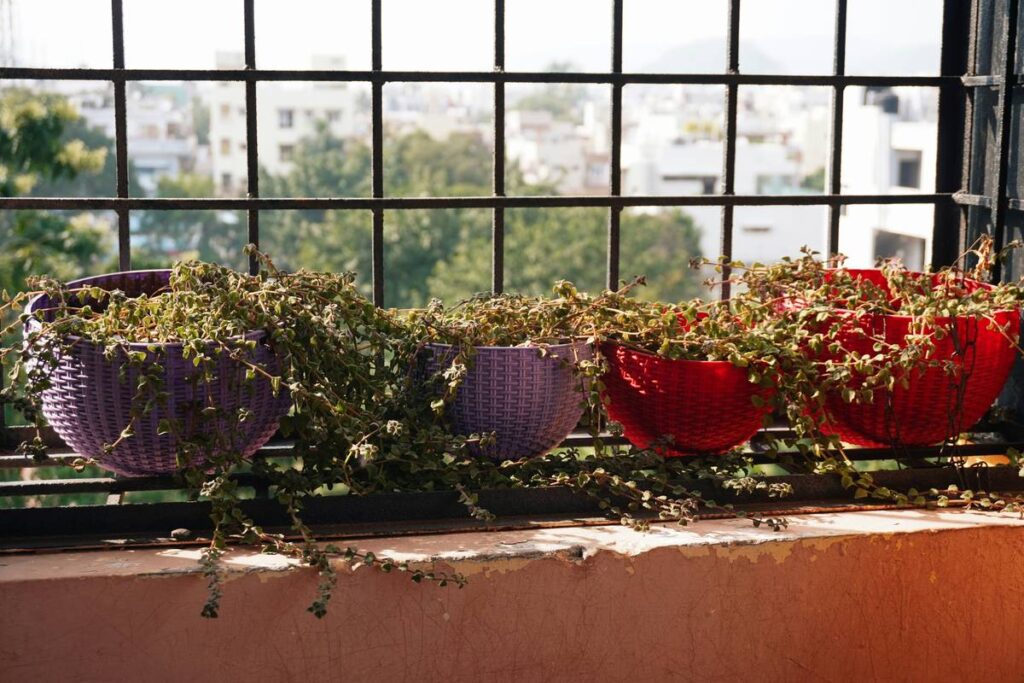
Ever hung a trailing pothos only to find it brown, brittle, and barely clinging to life three weeks later? You’re not alone. Creating a lush, serene outdoor space with hanging plants seems simple—until watering schedules clash with sunlight angles and your “natural ambiance” starts looking more like a botanical crime scene. In this guide, we’ll walk you through the exact steps to hang plants that thrive, not just survive, while weaving greenery into your home’s aesthetic without wasting time or money.
Table of Contents
- Why Hanging Plants Matter for Natural Ambiance
- Step-by-Step Guide to Hanging Your Plants Right
- Best Practices for Long-Term Success
- Real-World Results & Case Examples
- Frequently Asked Questions
Key Takeaways
- Choose trailing or cascading species suited to your light conditions—full sun ≠ indoor shade.
- Water deeply but less frequently; overwatering is the #1 killer of hanging plants.
- Use well-draining potting mix with added perlite or orchid bark.
- Rotate pots weekly to promote even growth and prevent lopsided vines.
- Avoid metal hooks in humid climates—they rust and damage structures.
Why Hanging Plants Matter for Natural Ambiance
In home improvement, especially within gardening and outdoor decor, hanging plants aren’t just decoration—they’re mood architects. A well-placed string of pearls or ivy softens harsh lines, adds vertical texture, and creates a living curtain that filters light and noise. According to the USDA’s National Agricultural Statistics Service, nearly 60% of U.S. households engage in some form of container gardening, with hanging baskets among the top three choices for patios and balconies.

I learned this the hard way. Last summer, I hung three ferns under my covered patio, assuming “shade” meant “low light.” Within days, they yellowed and dropped fronds like confetti at a sad parade. Turns out, even shade-loving plants need *bright*, indirect light—not dim, stagnant corners. That mistake cost me $45 and two months of bare hooks.
Step-by-Step Guide to Hanging Your Plants Right
1. Assess Your Light First
Before buying a single pot, map your sun exposure. Use a free app like Sun Surveyor or simply observe: Does the spot get morning sun (gentler) or afternoon glare (harsher)? Ferns, philodendrons, and begonias prefer bright, indirect light. For full sun zones, opt for portulaca, dichondra, or ornamental sweet potato vine.
2. Choose the Right Container & Hanger
Pots must have drainage holes—non-negotiable. Avoid self-watering globes for outdoor use; evaporation rates vary too much. Macramé hangers look dreamy but can retain moisture against walls, promoting mold. For durability, choose powder-coated metal or UV-resistant synthetic rope.
3. Prep the Soil Mix
Standard potting soil compacts over time. Mix 2 parts potting soil, 1 part perlite, and 1 part orchid bark for optimal aeration. This mimics natural forest-floor conditions where epiphytic plants (like many hanging varieties) naturally grow.
4. Plant & Position Thoughtfully
Plant early morning or late evening to reduce transplant shock. Hang at eye level or slightly above—too high and you’ll neglect watering; too low and vines become tripping hazards. Leave 12–18 inches between planters to allow airflow and growth room.
Best Practices for Long-Term Success
- Water like a pro: Stick your finger 2 inches deep. If dry, soak until water runs from drainage holes—but never let pots sit in saucers outdoors.
- Fertilize lightly: Use a balanced liquid fertilizer (10-10-10) every 4–6 weeks during growing season. Less is more.
- Prune regularly: Trim leggy stems to encourage bushiness. Save cuttings—they root easily in water for free new plants!
- Beware the “terrible tip”: Don’t mist foliage as a primary hydration method. It invites fungal diseases like powdery mildew, especially in humid climates.
Real-World Results & Case Examples
Last spring, a reader in Portland followed our light-assessment advice and swapped her sun-exposed impatiens for heat-tolerant dichondra ‘Silver Falls.’ After six weeks, her balcony transformed into a shimmering green waterfall that attracted hummingbirds—and zero spider mites. She reported 90% less maintenance compared to her previous setup.
Another example: A study by the University of Florida IFAS Extension confirms that properly placed hanging plants can reduce ambient temperatures on patios by up to 5°F through transpiration—a natural cooling effect that enhances both comfort and natural ambiance.
Frequently Asked Questions
What are the easiest hanging plants for beginners?
Pothos, spider plant, and heartleaf philodendron tolerate occasional neglect, low light, and inconsistent watering—ideal for new gardeners.
How often should I water outdoor hanging plants?
In warm months, likely every 2–3 days. But always check soil moisture first. Wind, sun, and pot material drastically affect drying rates.
Can I hang plants on a north-facing porch?
Yes—but stick to true low-light lovers like cast iron plant (Aspidistra) or ZZ plant. Avoid anything labeled “bright light.”
Why are my hanging plant leaves turning yellow?
Usually overwatering or poor drainage. Less commonly, it could be nutrient deficiency or cold stress. Review your care routine before repotting.
Do hanging plants attract bugs?
All plants can, but healthy ones resist better. Rinse foliage monthly with a gentle spray to deter aphids and spider mites.
Where can I learn more about responsible plant care?
Explore resources from trusted institutions like the University of Florida IFAS Extension. And if you’re curious about our journey with sustainable outdoor living, visit our About Us page.
Ready to bring your vision to life? Share your hanging plant goals—or troubleshooting woes—with us at Contact Us. We read every message and love helping fellow green-thumb dreamers. And rest assured: your data stays secure, per our Privacy Policy.
Hanging isn’t just a verb—it’s an invitation. To pause, to breathe, to watch something alive sway gently in your personal breeze. Now go make magic.