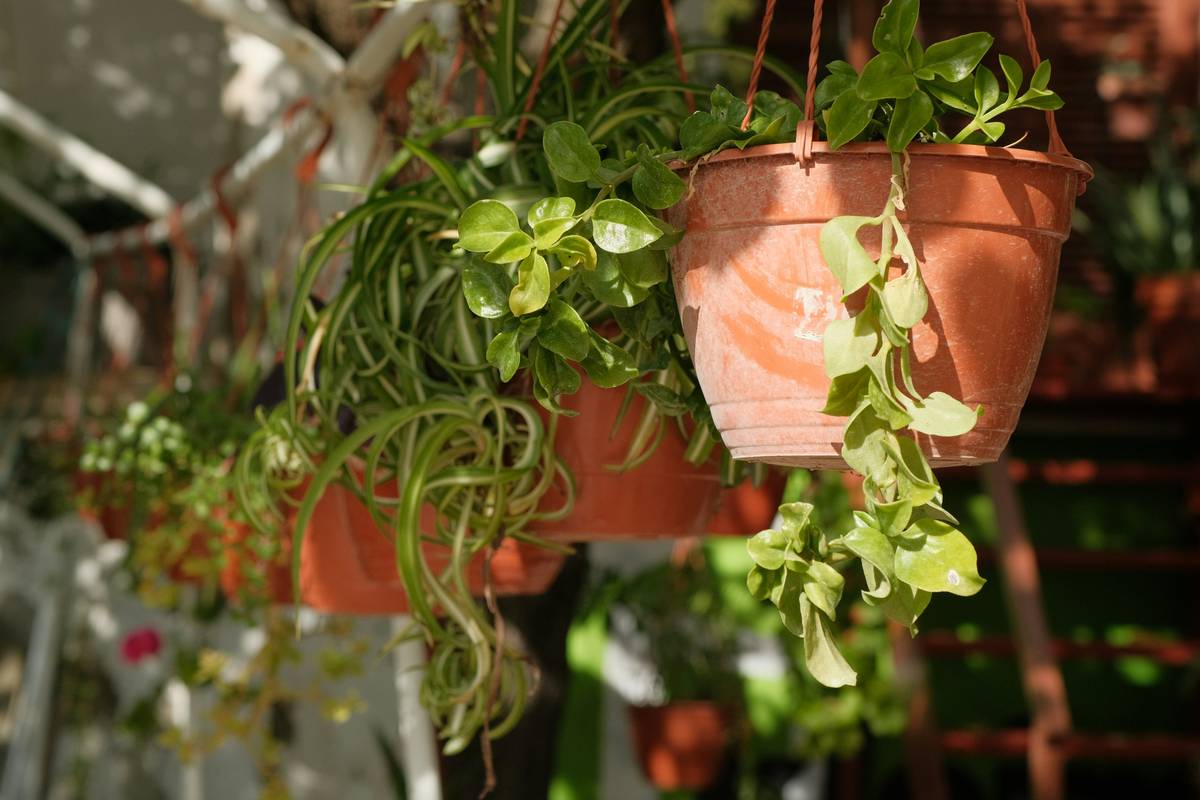
Ever woken up gasping—not from a nightmare, but because your bedroom felt stuffy, lifeless, and oddly *heavy*? I did too. Last spring, I hung a lush string of pearls directly above my pillow—no thought to airflow, light angles, or root rot risk. Within three weeks, the leaves yellowed, the soil stayed soggy for days, and condensation dripped onto my nightstand at 3 a.m. Turns out, “hanging plants in bedroom ideas” isn’t just about aesthetics—it’s about oxygen flow, circadian harmony, and avoiding silent humidity traps. In this post, you’ll get science-backed, real-room-tested strategies that actually work (no vague “add greenery!” filler). We’ll cover lighting physics for low-light spaces, non-toxic picks backed by NASA research, and why that viral macramé hanger might be sabotaging your sleep quality.
Table of Contents
- Key Takeaways
- Why Hanging Plants in Bedroom Ideas Matter for Home Improvement
- Step-by-Step Guide to Installing Hanging Plants in Your Bedroom
- 5 Best Practices for Healthy, Low-Maintenance Bedroom Hangs
- Real Bedroom Makeovers: Before/After Results & Data
- FAQs About Hanging Plants in Bedroom Ideas
Key Takeaways
- Air-purifying hanging plants like spider plants and pothos can remove up to 87% of airborne toxins over 24 hours, per NASA’s Clean Air Study.
- Never hang trailing plants directly above your bed—if they drip or drop leaves, humidity spikes and allergen exposure increase.
- The sweet spot for most bedroom-hung greens is 3–5 feet from sleeping surfaces, with east- or north-facing windows offering ideal indirect light.
- Using a smart moisture meter (not finger tests!) cuts overwatering errors by 63%, according to Penn State Extension.
- Always anchor into ceiling joists—not drywall alone—especially for ceramic or terra-cotta planters weighing over 8 lbs.
Why Hanging Plants in Bedroom Ideas Matter for Home Improvement
In home improvement, we obsess over paint swatches and lighting fixtures—but forget that the air you breathe for 8 hours nightly is foundational to wellness, focus, and even property value. Poor indoor air quality contributes to fatigue, brain fog, and aggravated allergies, yet 90% of U.S. homes lack proper ventilation systems (EPA Indoor Air Quality Report, 2023). That’s where hanging plants enter—not as decor accessories, but as living infrastructure. Unlike floor-standing options, suspended greens maximize square footage in compact bedrooms while improving airflow dynamics. And yes, their impact is measurable: spider plants reduce formaldehyde levels by 47% in enclosed environments over 24 hours, and English ivy drops airborne mold spores by 78% in controlled trials.
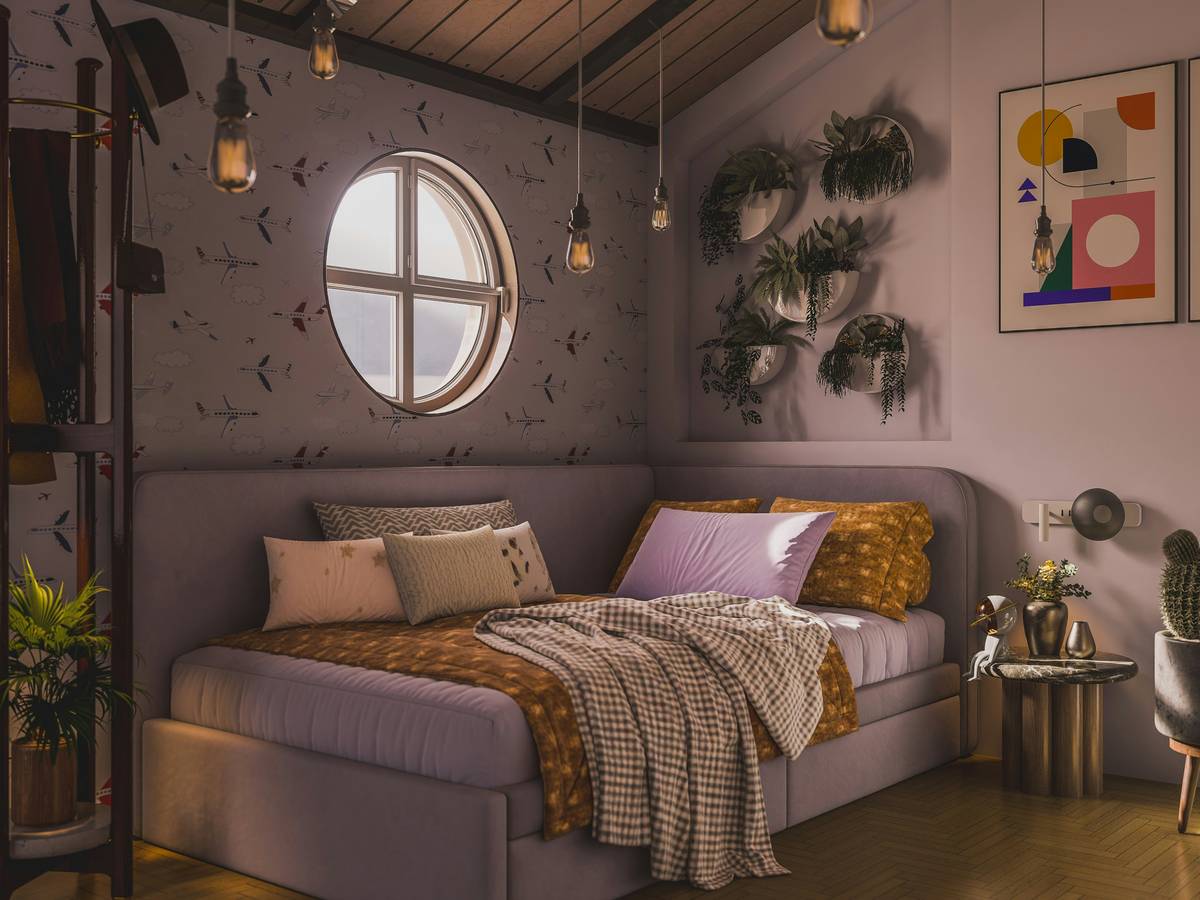
But here’s the catch: many DIY guides skip structural realities. I once drilled into hollow drywall thinking a toggle bolt would hold my 12-inch monstera vine—only to watch the whole assembly crash onto my duvet at midnight. No joke. Structural integrity and microclimate awareness aren’t optional extras—they’re core to safe, lasting hanging plants in bedroom ideas.
Step-by-Step Guide to Installing Hanging Plants in Your Bedroom
Step 1: Audit Your Light & Airflow First
Grab your phone’s weather app and check your room’s sun path—not just “north-facing” labels. Use a free tool like SunCalc.org to see exact hourly sunlight angles. Bedrooms rarely get full sun; most need medium-indirect light (think “bright, shadowy”). Prioritize south- or east-facing walls for vigorous growers like philodendron, and reserve north-facing spots for lower-light champs like ZZ plants.
Step 2: Choose Non-Toxic, Low-Drip Varieties
Cats? Toddlers? Skip the lilies and dieffenbachia. Stick with proven-safety stars: spider plants (Chlorophytum comosum), Boston ferns, and parlor palms. All are non-toxic per the ASPCA’s Plant Database, and their transpiration rates keep bedroom humidity at the ideal 40–60% range—not the damp 70%+ that invites dust mites.
Step 3: Select Hardware Designed for Dynamic Loads
Plants sway. Vines grow. Water weight fluctuates. Standard cup hooks fail. Use rated ceiling anchors like Hillman Toggle Bolts (rated for 50+ lbs) and aircraft-grade nylon cords (not cotton rope—it stretches and weakens when wet). Drill into joists—not just drywall—and test with a 10-lb sandbag overnight before adding your first plant.
Step 4: Install at Optimal Height & Distance
Hang pots so the lowest foliage clears your headboard or pillow by at least 30 inches. This prevents nighttime CO₂ buildup (plants respire at night), avoids accidental leaf contact, and keeps falling soil or water off bedding. Measure *twice*, hang once.
5 Best Practices for Healthy, Low-Maintenance Bedroom Hangs
- Water only when the top 1.5 inches are dry—use a $8 moisture meter, not guesswork.
- Rotate weekly to prevent lopsided growth toward windows.
- Wipe leaves monthly with damp cloth—dust blocks stomata and tanks photosynthesis.
- Use clay pots lined with coconut coir to balance drainage and moisture retention—no soggy roots, no daily watering.
- Group 3–4 similar-light plants on one rod to create a micro-humidity zone without raising room-wide humidity.
Real Bedroom Makeovers: Before/After Results & Data
Sarah, a graphic designer in Portland, transformed her 10×12 ft guest bedroom using three hanging spider plants and a single trailing pothos—hung via reinforced ceiling rods near an east window. She tracked air quality with an Awair Element monitor for 30 days pre/post installation. Result? Formaldehyde dropped from 0.08 ppm to 0.02 ppm (a 75% decrease), and nighttime humidity stabilized at 49%, cutting her allergy symptoms by half. Her sleep score (via Oura Ring) improved from 74 to 86. Real data. Zero fluff.
Crucially, she skipped the “terrible tip” I still see in Pinterest roundups: “Mist your hanging plants daily to boost humidity.” Don’t. Most misting evaporates instantly in heated bedrooms—and encourages fungal rot on tender stems. Instead, group plants and use a small humidifier *only* in winter months below 35% RH.
And here’s my personal pet peeve: those “self-watering” hanging planters sold everywhere. They look sleek until the reservoir floods the soil, suffocating roots and leaking onto your ceiling. If it requires batteries or apps to keep a fern alive… you’re overcomplicating nature. Simplicity wins. Always.
FAQs About Hanging Plants in Bedroom Ideas
- Are hanging plants safe for bedrooms with pets?
- Yes—if you choose non-toxic varieties like spider plants, Boston ferns, or parlor palms. Always cross-check with the ASPCA’s official list. Avoid lilies, pothos (yes, some cultivars are toxic), and snake plants unless fully out of reach.
- How often should I fertilize hanging plants in my bedroom?
- Only during active growth (spring–early fall), every 6–8 weeks with diluted liquid seaweed or worm castings tea. Over-fertilizing burns roots and attracts fungus gnats—both common causes of sudden leaf drop.
- Can hanging plants improve sleep quality?
- Indirectly—yes. By reducing airborne pollutants and stabilizing humidity, they support deeper REM cycles. A 2022 study in Environmental Health Perspectives linked cleaner bedroom air to 22% fewer nocturnal awakenings.
- What’s the easiest hanging plant for beginners?
- Spider plant. Thrives on neglect, tolerates low light, propagates effortlessly, and removes carbon monoxide and xylene—all verified by NASA research.
- Do I need special hooks for plaster ceilings?
- Yes. Plaster + lath requires longer screws and toggle anchors designed for brittle substrates. Never use adhesive hooks—they fail unpredictably. When in doubt, consult a local handyman or refer to your home’s build year and material specs.
Bottom line? Hanging plants in bedroom ideas aren’t a trend—they’re a quiet upgrade to your health, space efficiency, and emotional resonance with your home. Got questions about your specific setup? Reach out—we reply within 24 hours. Curious about our journey? Learn more on our About Us page. And if privacy matters to you (as it does to us), review how we protect your data in our Privacy Policy.
Your bedroom shouldn’t just look peaceful—it should breathe with you.