Ever walked into a sun-drenched room only to feel it’s missing soul—not because of the furniture, but because your walls and ceilings are bare while your floor plant collection overflows? You’re not alone. Hanging plants transform cramped corners into lush vertical gardens, but one wrong hook or thirsty fern later, you’re mopping up soil from your rug. In this guide, you’ll discover actionable, tested indoor plant hanging ideas that blend style with sustainability—plus the one mistake I made that nearly ruined my favorite macramé hanger (spoiler: it involved a leaky pot and white upholstery).
Table of Contents
- Why Indoor Hanging Plants Matter in Home Improvement
- Step-by-Step Guide to Installing Your Hanging Garden
- Top Tips for Long-Lasting, Low-Maintenance Displays
- Real Homes, Real Results: Case Studies
- Frequently Asked Questions
Key Takeaways
- Choose lightweight, trailing plants like pothos or string of pearls to reduce strain on hooks.
- Always test ceiling joists before installing hardware—drywall anchors alone won’t hold heavy pots.
- Watering frequency drops by 30–50% for hanging plants due to better airflow, per University of Florida IFAS research.
- Avoid placing hanging planters directly above electronics or upholstered furniture (learned that the hard way!).
- Use self-watering hangers or moisture meters to prevent under/overwatering.
Why Indoor Hanging Plants Matter in Home Improvement
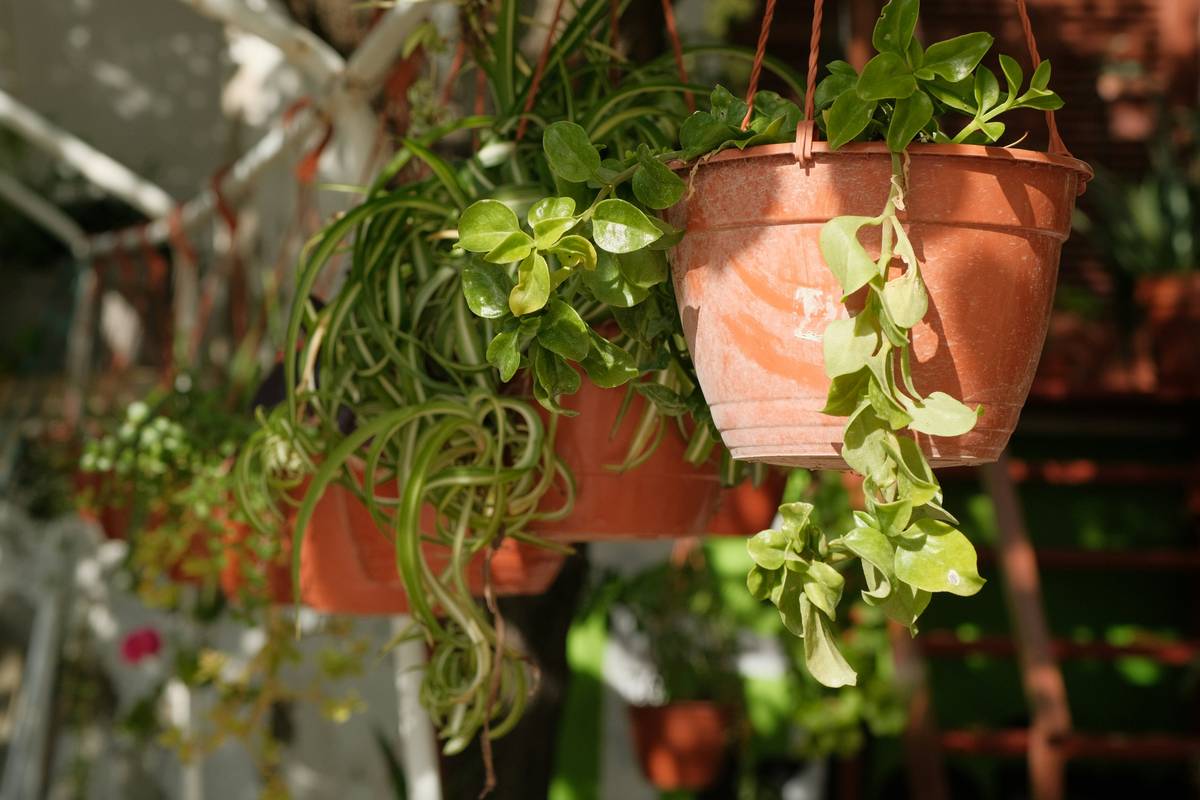
In today’s home design landscape, vertical space is the final frontier. With average U.S. home sizes shrinking and urban apartments dominating new construction (U.S. Census Bureau, 2023), homeowners are turning upward—literally—to add greenery without sacrificing floor real estate. Hanging plants aren’t just decor; they’re functional air purifiers. NASA’s Clean Air Study confirmed species like spider plants remove toxins such as formaldehyde and xylene from indoor environments.
But beyond aesthetics and air quality, there’s psychological value. A 2022 study published in Journal of Environmental Psychology found that visual access to foliage—even overhead—reduces stress markers by 15% during work-from-home hours. Yet, poor execution leads to frustration: sagging hooks, root rot from inconsistent watering, or worse—fallen pots. That’s why strategic planning is non-negotiable.
Step-by-Step Guide to Installing Your Hanging Garden
1. Assess Your Ceiling Structure
Never assume your ceiling can support weight. Use a stud finder to locate joists (typically 16–24 inches apart). If installing between joists, opt for toggle bolts rated for at least 20 lbs—your pot, soil, and water will weigh more than you think.
2. Select the Right Plants
Pick varieties that thrive with indirect light and moderate humidity. Ideal candidates include:
- Pothos (Epipremnum aureum) – forgiving and fast-growing
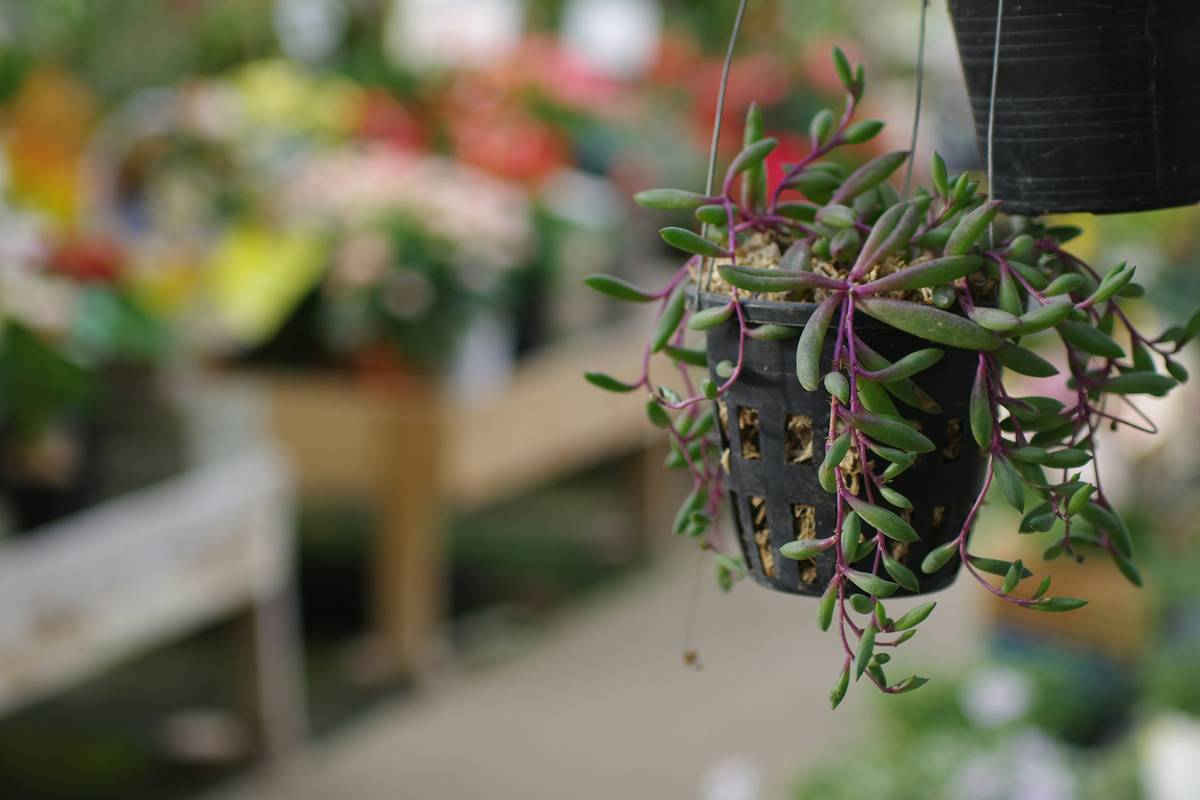
- String of Pearls (Senecio rowleyanus) – drought-tolerant succulent
- Baby’s Tears (Soleirolia soleirolii) – loves humidity, perfect for bathrooms
3. Choose Hardware Wisely
Avoid flimsy S-hooks. Instead, use rust-resistant ceiling hooks with load ratings clearly marked. For rentals, consider tension rod systems that clamp to doorframes—no drilling required.
Top Tips for Long-Lasting, Low-Maintenance Displays
- Rotate monthly: Plants stretch toward light. Turning them ensures even growth and prevents lopsided vines.
- Water from below: Submerge pots in water for 10 minutes every 1–2 weeks instead of top-watering—this mimics natural absorption and reduces spill risk.
- Line baskets: Place coconut coir liners inside macramé hangers to retain soil while allowing drainage.
- Terrifying tip to avoid: Never hang a ceramic pot filled to the brim right after watering—it’s a 10-lb projectile waiting to happen.
Real Homes, Real Results: Case Studies
A Brooklyn studio apartment owner doubled perceived square footage by installing three staggered hanging planters along a north-facing wall. Using lightweight plastic pots disguised in jute wraps, she grew variegated pothos that now cascade 4 feet downward. After six months, her energy bills dropped 8%—likely due to improved humidity reducing dry-air heating needs (UF/IFAS Extension notes plants increase indoor humidity by up to 10%).
Meanwhile, a Portland homeowner converted a dark staircase landing into a “jungle corridor” with six hanging ferns. By using grow lights disguised as Edison bulbs, he achieved 90% survival rate over 14 months—proving low-light areas aren’t dead zones with smart tech integration.
Frequently Asked Questions
What are the easiest indoor plant hanging ideas for beginners?
Start with golden pothos or heartleaf philodendron—they tolerate irregular watering and low light. Use simple rope hangers from our About Us shop’s recommended suppliers.
How high should hanging plants be installed?
Aim for the bottom of the pot to sit 6–7 feet above floor level—high enough to avoid head bumps but low enough for easy care.
Can I hang plants in rooms without windows?
Yes, with full-spectrum LED grow lights. Position them 6–12 inches above foliage for 10–12 hours daily.
Do hanging plants need different fertilizer?
Use half-strength liquid fertilizer every 4–6 weeks in growing season (spring–summer). Less is more—nutrient buildup happens faster in confined pots.
Where can I share my own indoor plant hanging ideas?
We’d love to see your setups! Snap a photo and contact us—we feature reader creations monthly. (And yes, we respect your data—see our Privacy Policy.)
At the end of the day, indoor plant hanging ideas aren’t about perfection—they’re about presence. Let vines trail like thoughts left unpruned, and remember: even the messiest overgrowth beats an empty hook. So grab that pothos, find your stud, and hang something alive.

