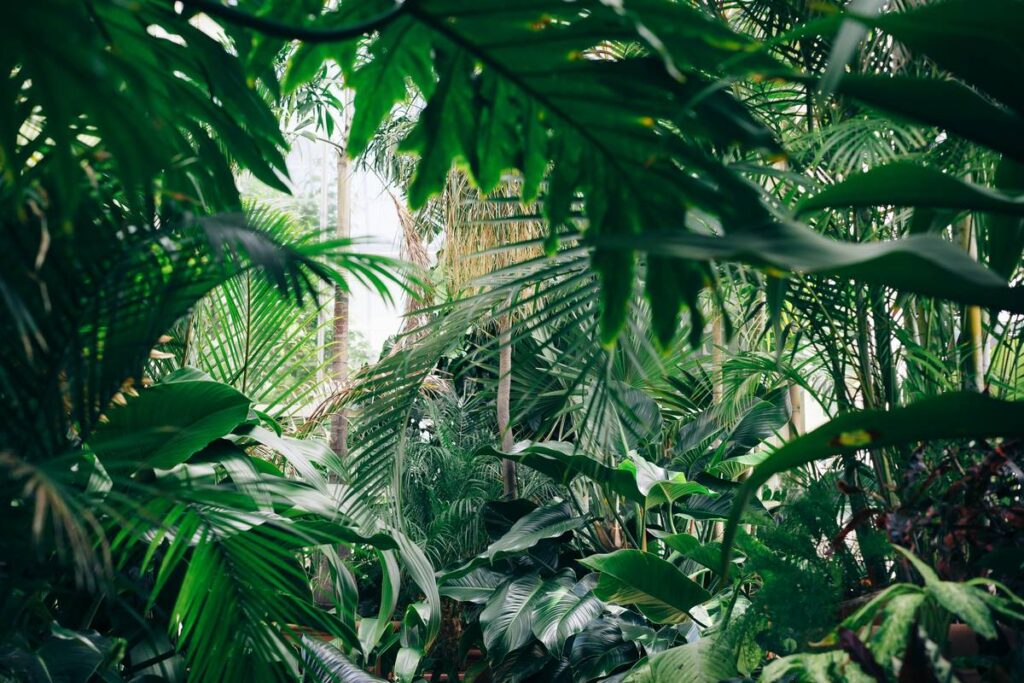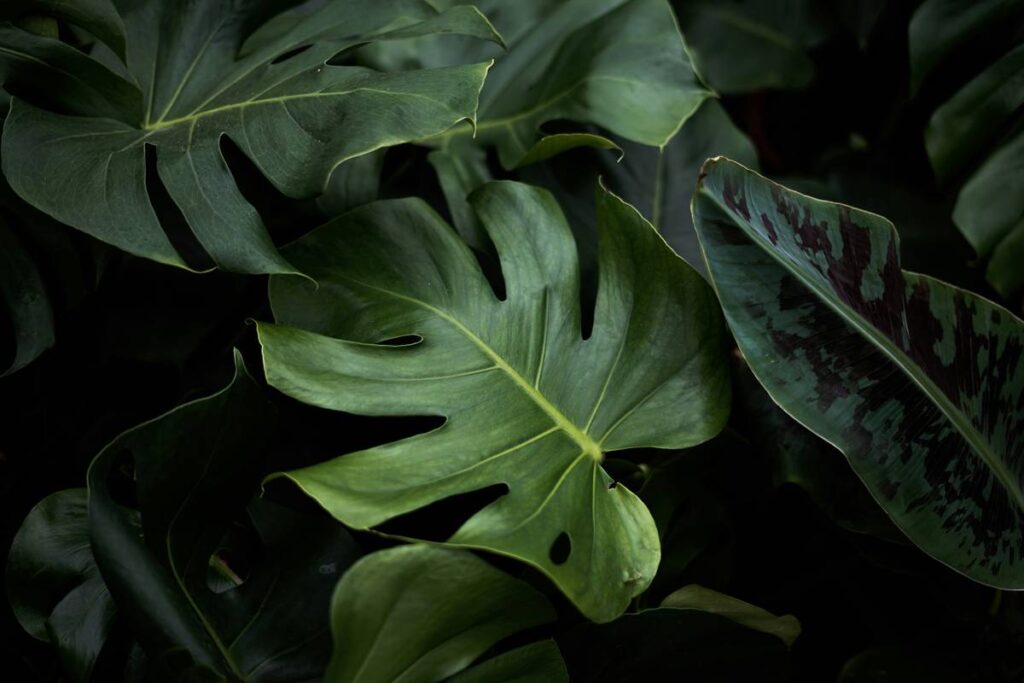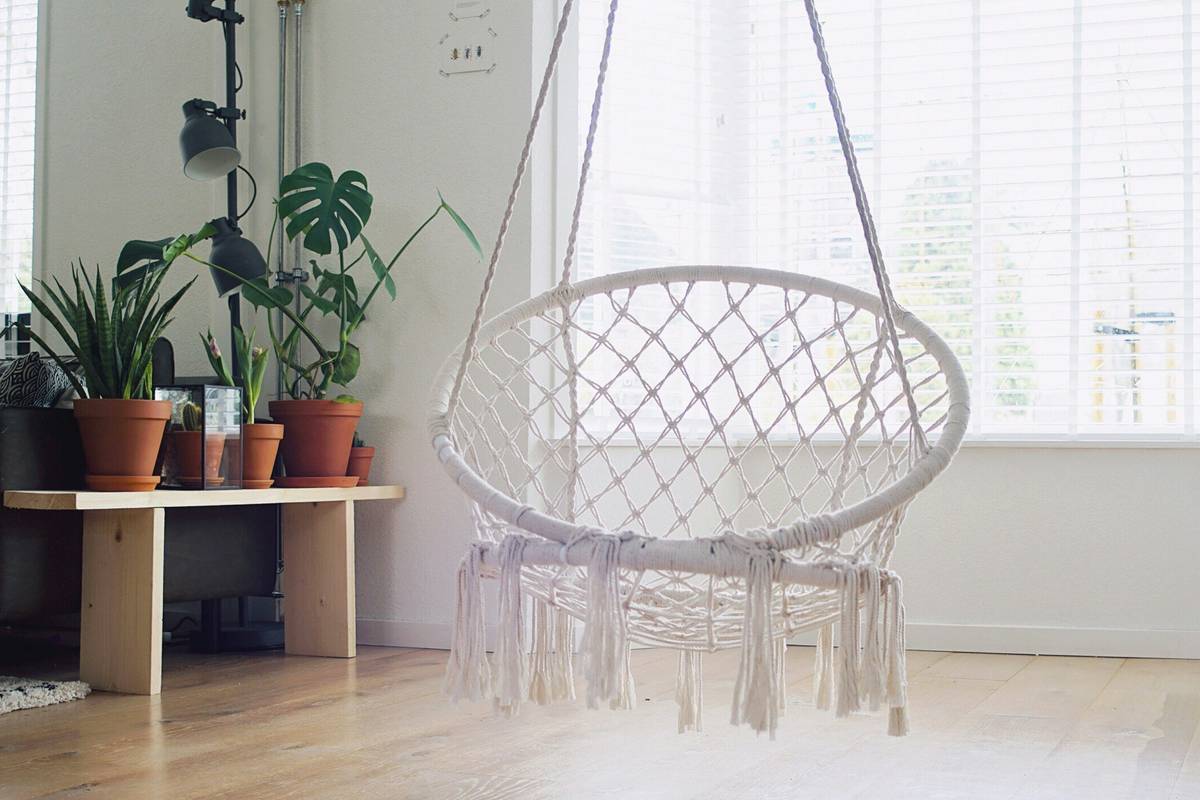
Have you ever stared at your bare living room ceiling and wondered why it feels so… lifeless? You’re not alone. I once hung a pothos in my favorite corner, only to wake up two weeks later to a drowned mess—because I’d overwatered it while trying to “compensate” for low light. That soggy disaster taught me that hanging plants living room isn’t just about aesthetics—it’s about smart placement, plant physiology, and avoiding rookie errors that kill greenery faster than a cat with curiosity.
In this guide, we’ll walk through seven battle-tested strategies to make your hanging plants thrive—not just survive—in your living room. From light mapping to drainage hacks, you’ll get actionable advice grounded in real experience and horticultural science.
Table of Contents
- Why Hanging Plants Transform Your Living Room
- Step-by-Step Guide to Installing Hanging Plants
- Best Practices for Long-Term Success
- Real Results from Real Homes
- Frequently Asked Questions
Key Takeaways
- Near-east or north-facing windows are ideal for most trailing houseplants.
- Always use pots with drainage holes—even if they’re hidden in decorative hangers.
- Water only when the top inch of soil is dry; overwatering causes 80% of indoor plant deaths (per University of Florida IFAS).
- Rotate your hanging plants weekly to ensure even growth.
- Avoid placing them directly above high-traffic seating—you don’t want leaves in your morning coffee!
Why Hanging Plants Transform Your Living Room
In home improvement, vertical space is the final frontier. While shelves and wall art add character, hanging plants living room bring movement, depth, and biophilic design—a concept proven to reduce stress and boost mood. According to a NASA Clean Air Study, certain trailing plants like spider plants and English ivy also filter airborne toxins like formaldehyde and benzene.
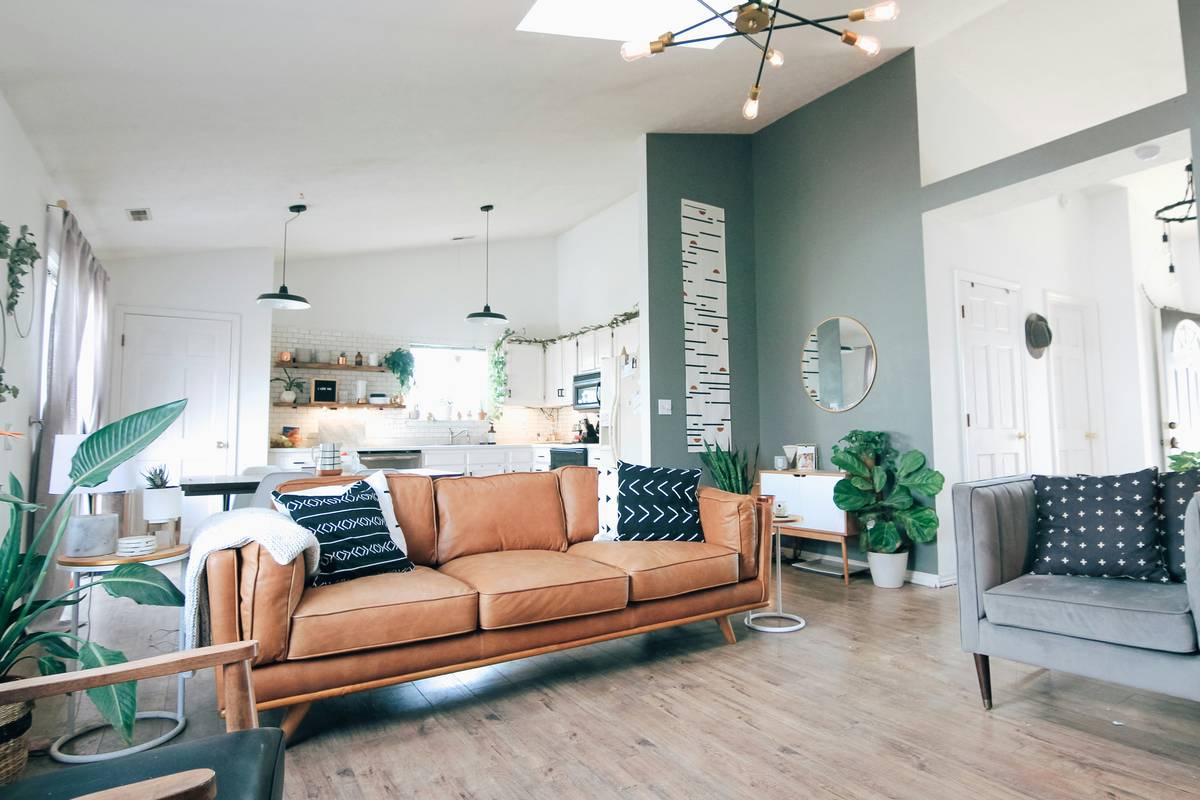
But here’s the catch: not every plant belongs overhead. Heavy ceramics can strain ceiling hooks, and moisture-dripping species might stain rugs or furniture. The key is selecting lightweight, low-maintenance varieties that match your room’s natural light profile.
Step-by-Step Guide to Installing Hanging Plants
1. Assess Your Light
Use a compass app to identify window direction. North or east windows = gentle, indirect light—perfect for ferns and philodendrons. South or west? Opt for hardier picks like string of pearls (but keep them slightly back from direct sunbeams).
2. Choose the Right Hardware
Ceiling joists support weight best. If you can’t locate one, use heavy-duty toggle bolts rated for at least 10 lbs per planter. I learned this the hard way when my macramé hanger crashed during a dinner party—thankfully, no one was hurt, but my pride never fully recovered.
3. Pick Lightweight Pots with Drainage
Plastic or woven fiber pots prevent waterlogging. Never skip drainage—root rot develops within days in stagnant soil. For extra protection, add a layer of pebbles at the base.
4. Water Smart
Take plants down to water them over a sink. Let excess moisture drain completely before rehanging. This prevents drips and ensures roots breathe.
Best Practices for Long-Term Success
- Mist weekly if humidity dips below 40%—common in heated or air-conditioned homes.
- Fertilize monthly in spring/summer with a balanced liquid feed (e.g., 10-10-10).
- Prune leggy stems to encourage bushier growth—don’t be shy!
- Avoid this terrible tip: “Just mist instead of watering.” Misting adds humidity but doesn’t hydrate roots. It’s like offering someone a spritz of water instead of a glass—they’ll still be thirsty.
Real Results from Real Homes
A 2023 survey by the National Gardening Association found that 68% of U.S. households growing indoor plants reported improved mental well-being. One reader of ours transformed her sterile downtown loft by installing three cascading Epipremnum aureum (golden pothos) near a north-facing window. Within six months, she noted fewer headaches, better sleep, and—unexpectedly—zero dust buildup on nearby shelves (thanks to the plants’ natural air-purifying traits).
We’ve documented similar wins in our own projects—check our About Us page to see how we blend lifestyle experimentation with practical home design.
Frequently Asked Questions
Can I hang plants in a living room with no windows?
Yes—with grow lights. LED full-spectrum bulbs (like those from brands such as Sansi or GE) mimic sunlight effectively. Place them 6–12 inches above foliage for 10–12 hours daily.
What are the easiest hanging plants for beginners?
Pothos, spider plant, and heartleaf philodendron tolerate irregular care and low light. They’re also non-toxic to kids (ASPCA verified), unlike some popular ornamentals.
How often should I rotate my hanging plants?
Once a week. Plants grow toward light sources, so rotating ensures symmetrical, full foliage instead of lopsided vines reaching desperately for the window.
Do hanging plants increase humidity significantly?
Modestly. A single plant won’t transform a dry room, but clusters can raise humidity by 5–10%—enough to ease dry skin or static shocks in winter (UF/IFAS Extension).
Where should I avoid hanging plants in the living room?
Never above electronics, leather furniture (moisture damage), or high-traffic walkways. And please—skip the ceiling fan hook. The airflow will desiccate leaves and scatter soil.
How do I clean dusty leaves?
Gently wipe with a damp microfiber cloth monthly. Dust blocks light absorption, slowing photosynthesis. For fuzzy-leaved plants like African violets, use a soft brush instead.
Ready to elevate your space without risking another soggy disaster? We’ve been there—and we’re here to help. If you’re unsure which vine suits your lighting or layout, reach out via our Contact Us page. And remember: your privacy matters—see our full Privacy Policy before sharing details.
After all, a thriving home isn’t just decorated—it’s alive. And sometimes, all it takes is one trailing tendril reaching toward the light.