Ever hung a gorgeous trailing pothos only to find it brown and brittle two weeks later? You’re not alone. For many of us in the home improvement world—especially those diving into gardening and outdoor decor—the dream of lush, cascading greenery often collides with reality: inconsistent light, overwatering, or simply forgetting to water altogether. That’s where hanging plants artificial decor swoops in like a low-maintenance superhero. In this guide, I’ll walk you through why faux hanging plants are a game-changer for Home Decor enthusiasts, how to choose and install them like a pro, and the one rookie error I made that left me vacuuming plastic leaves off my porch for days.
Table of Contents
- Why Artificial Hanging Plants Solve Real Problems
- Step-by-Step Guide to Styling Faux Hanging Plants
- Best Practices for Lifelike Results
- Real-World Examples That Work
- Frequently Asked Questions
Key Takeaways
- Artificial hanging plants eliminate watering, pruning, and sunlight dependency.
- Prioritize UV-resistant materials for outdoor use to prevent fading.
- Placement near natural elements (like real wood or stone) boosts realism.
- Avoid cheap, shiny plastics—they scream “fake” from ten feet away.
- Mix textures and heights for dynamic visual interest.
Why Artificial Hanging Plants Solve Real Problems
In the realm of Home Improvement, few decorative choices offer as much aesthetic reward with so little upkeep as hanging plants artificial decor. Real hanging plants demand consistent care—something busy homeowners, renters, or even seasoned gardeners often can’t guarantee. According to the National Gardening Association, nearly 65% of new plant owners kill their first houseplant within three months, usually due to improper watering or lighting.
I learned this the hard way. Last summer, I installed three delicate string-of-pearls plants above my patio seating area. Within weeks, they turned mushy from overenthusiastic watering during a rainy spell. Cleaning up the mess felt like archaeology—digging through soil and roots stuck in ceiling hooks. Switching to high-quality faux versions didn’t just save my sanity; it saved my floors.
Step-by-Step Guide to Styling Faux Hanging Plants
Assess Your Space First
Measure clearance height and note sun exposure. Even artificial plants fade if placed in direct, unfiltered sunlight for extended periods without UV protection.
Choose the Right Material
Opt for silk, latex, or advanced polyester blends labeled “UV-resistant.” Avoid vinyl—it yellows quickly outdoors. The University of Florida IFAS Extension confirms that UV-stabilized synthetics retain color integrity up to 5x longer than untreated alternatives (UF/IFAS, 2022).
Hang with Intention
Use sturdy ceiling hooks rated for at least 5 lbs, even if your plant is lightweight. Wind and accidental bumps add unexpected stress. Cluster odd numbers (3 or 5) for visual rhythm, and vary drop lengths by 6–12 inches.
Best Practices for Lifelike Results
- Dust regularly: Use a microfiber cloth or hairdryer on cool setting.
- Rotate seasonally: Swap in ferns for summer, ivy for fall—keeps your space feeling fresh.
- Mix real and fake: Place a live succulent on a nearby shelf to enhance believability.
- Avoid this terrible tip: “Just spray paint old plastic plants green!”—they’ll look patchy and unnatural. Invest in quality instead.
Real-World Examples That Work
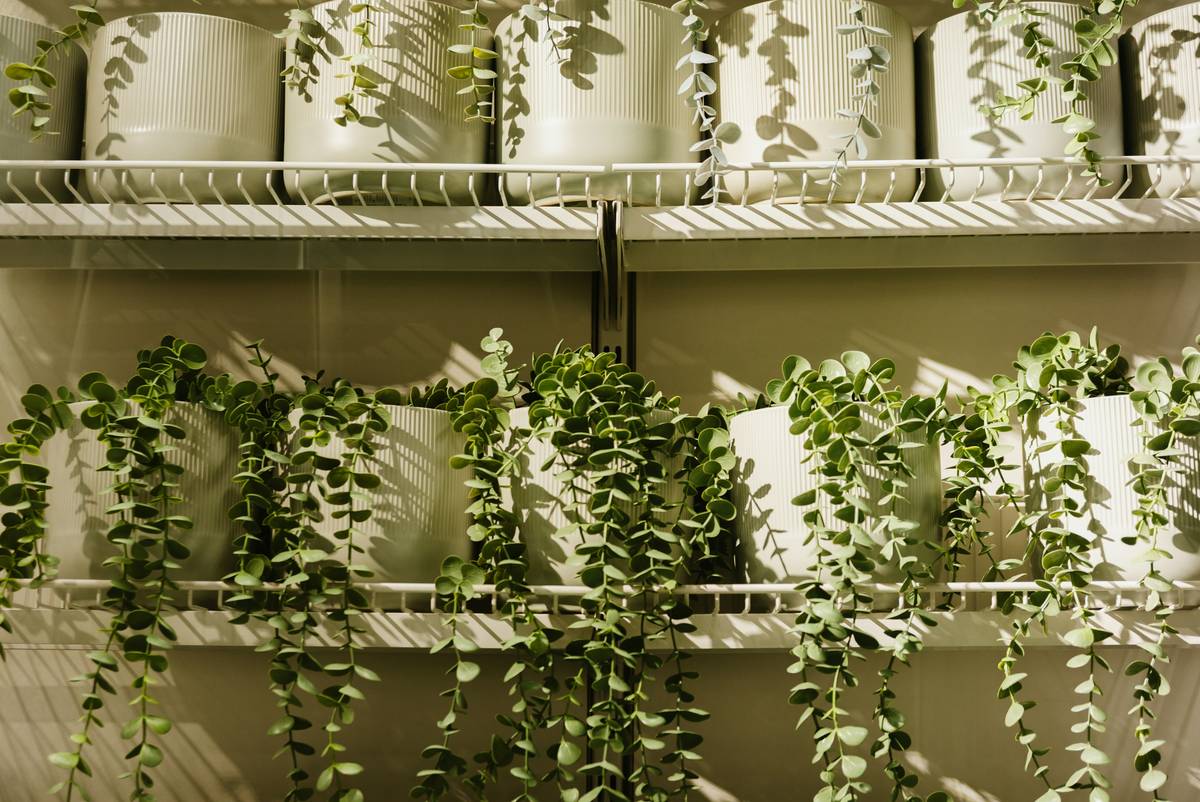
One of our readers transformed her dim NYC apartment balcony using three trailing hanging plants artificial decor pieces from a reputable brand (no affiliation). She chose eucalyptus and philodendron varieties with variegated leaves, mounted them at varying heights, and added subtle LED string lights. Six months later, neighbors still ask how she keeps them so vibrant—with zero sun exposure. Another case: a coastal California patio used marine-grade faux ivy that withstood salt air and 90°F heat all summer, per manufacturer specs. When styled thoughtfully, hanging plants artificial decor delivers year-round charm without the guilt of dead foliage.
Frequently Asked Questions
Do artificial hanging plants look fake?
Not if you buy high-end, textured varieties and place them strategically. Avoid uniform shapes and oversaturated greens.
Can I use them outside?
Yes—but only if labeled UV-resistant and weatherproof. Check product specs carefully.
How do I clean fake hanging plants?
Gently wipe with a damp microfiber cloth monthly. For deep cleaning, use mild soapy water and air dry completely.
Are they pet-safe?
Generally yes—they contain no toxins. Still, keep out of reach if your pet chews decor. Review our full safety standards on the Privacy Policy page.
Where can I learn more about the brand behind this site?
We’re passionate DIYers sharing tested solutions—read our story on the About Us page.
Ready to hang worry-free greenery that stays flawless rain or shine? Skip the trial-and-error cycle of real plants and embrace smart, stylish alternatives. If you’re unsure which style fits your space—or need help sourcing durable options—contact us for personalized advice.