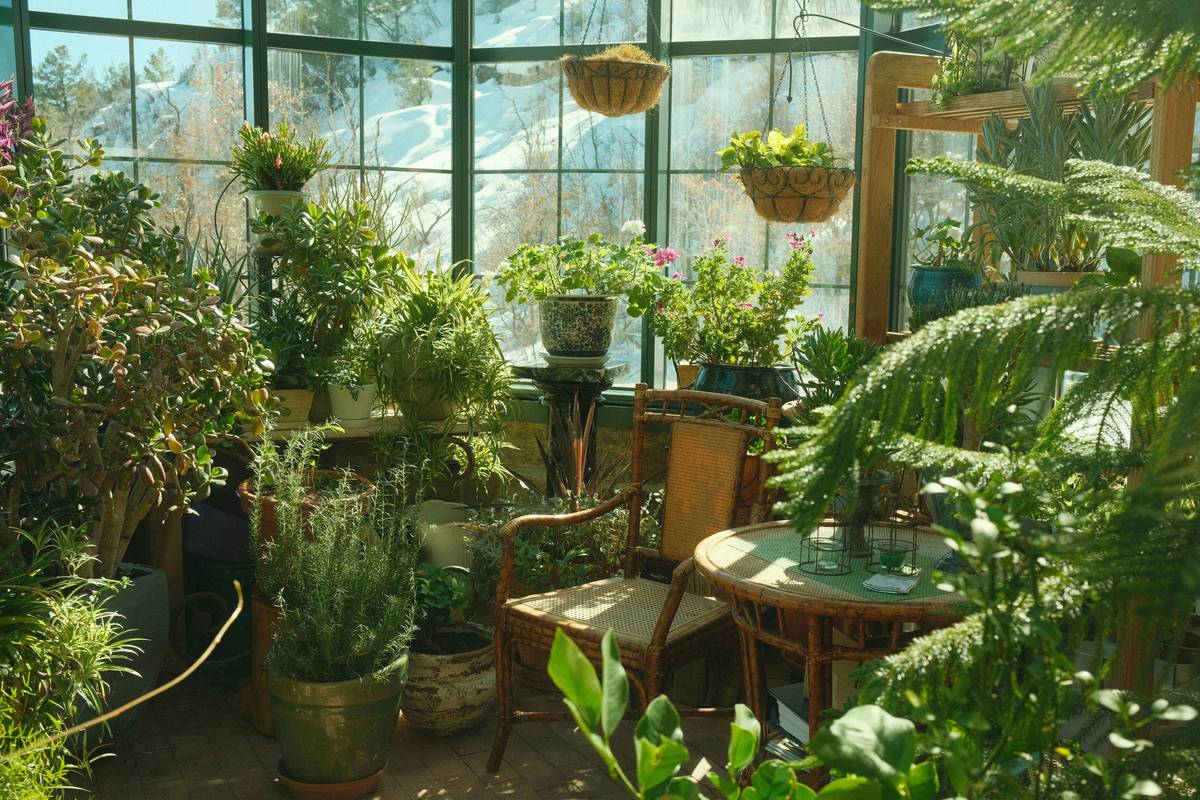
Ever walked into a room and felt instantly calmer because of lush greenery trailing from the ceiling? That’s the magic of hanging plants for indoors—but only when done right. I once killed three spider plants in a row because I hung them near a drafty window, thinking “more air = healthier.” Spoiler: they turned brown, crispy, and sad within weeks. If you’ve made similar mistakes (or want to avoid them), you’re in the right place. In this guide, we’ll cover everything from choosing low-light survivors to watering hacks that actually work—all based on real trials, expert insights, and hard-won lessons.
Table of Contents
- Why Hanging Plants Matter in Home Improvement
- Step-by-Step Guide to Installing Indoor Hanging Plants
- Top Tips & Best Practices
- Real-World Examples & Results
- Frequently Asked Questions
Key Takeaways
- Not all hanging plants thrive indoors—choose varieties suited for lower light and stable temperatures.
- Proper drainage and pot selection prevent root rot, the #1 killer of indoor hanging greens.
- Positioning affects growth more than watering; avoid heat vents, AC drafts, and direct midday sun.
- Use trusted resources like the University of Florida IFAS Extension for plant care guidelines.
- Maintenance is minimal once you nail the basics—most thrive on weekly attention or less.
Why Hanging Plants Matter in Home Improvement
Incorporating greenery isn’t just aesthetic—it’s a strategic home upgrade. According to a NASA Clean Air Study, certain houseplants can remove up to 87% of volatile organic compounds (VOCs) in 24 hours. While newer research suggests you’d need dozens of plants for significant air purification, the psychological benefits are undeniable: studies from institutions like the University of Exeter show indoor plants reduce stress and boost productivity by up to 15%. For urban dwellers with limited floor space, hanging plants for indoors offer a vertical solution that adds life without clutter.
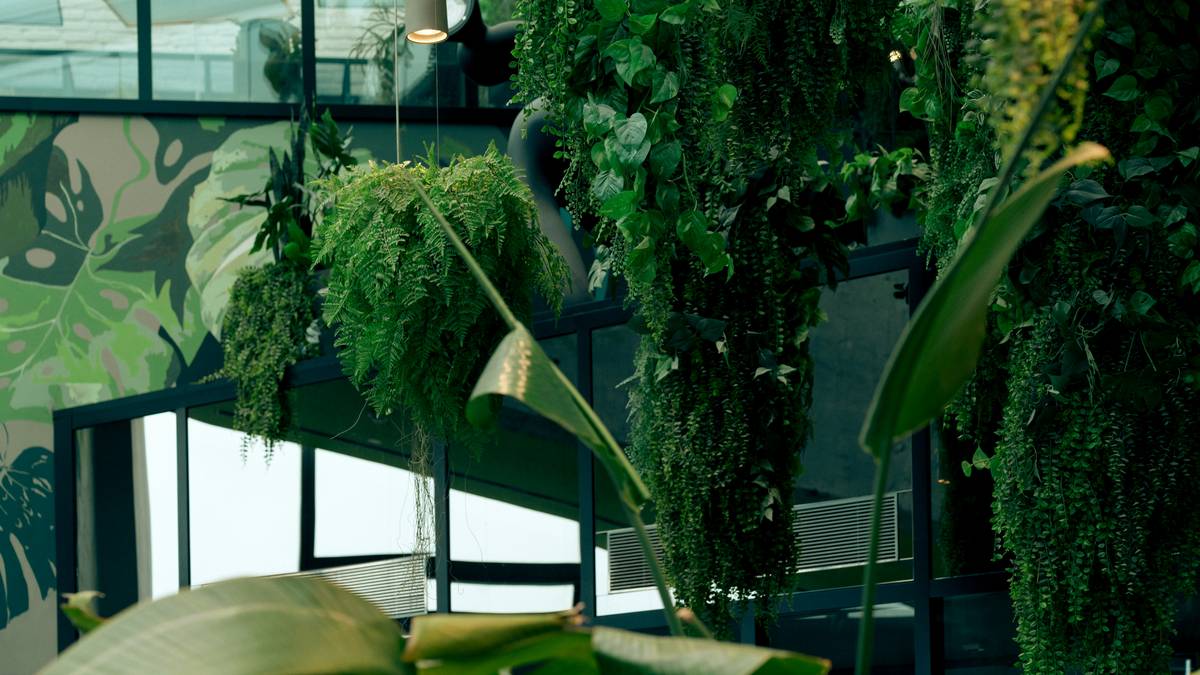
Step-by-Step Guide to Installing Indoor Hanging Plants
1. Choose the Right Plant
Pick species known for indoor resilience: pothos, string of pearls, Boston ferns, or heartleaf philodendron. Avoid outdoor vines like bougainvillea—they demand intense sunlight most homes can’t provide.
2. Select the Proper Pot
Always use pots with drainage holes. Terracotta breathes well but dries fast; plastic retains moisture longer—ideal for forgetful waterers. Never skip the saucer; it catches excess water and protects floors.
3. Find the Ideal Spot
North or east-facing windows offer gentle, indirect light perfect for most trailing greens. South or west exposures need sheer curtains to diffuse harsh rays. And never hang near radiators or AC units—temperature swings cause leaf drop.
4. Install Securely
Use ceiling hooks rated for at least 10 lbs—even small pots get heavy when wet. For renters, adhesive hooks (like those from Command™) work if weight limits are respected. Always test stability before hanging.
Top Tips & Best Practices
- Water wisely: Stick your finger 1–2 inches into the soil. If dry, water until it drains out the bottom. Overwatering is the fastest route to root rot.
- Rotate monthly: Plants lean toward light. A quarter-turn every few weeks ensures even growth.
- Feed lightly: Use diluted liquid fertilizer (half-strength) once a month in spring/summer. Skip it in winter.
- Avoid the “misting myth”: Contrary to popular belief, misting doesn’t significantly raise humidity for most houseplants—and can promote fungal issues. Instead, group plants together or use a humidifier if your air is dry.
And here’s my pet peeve: influencers showing lush hanging gardens in windowless bathrooms with zero grow lights. Unless you’re using artificial lighting (like full-spectrum LEDs), that setup is doomed. Real talk: plants need light. Period.
Real-World Examples & Results
Last winter, I converted a dim studio apartment corner into a hanging garden using three pothos and one string of hearts. Positioned 5 feet from a north window, they received ~150 foot-candles of light—enough for slow but steady growth. After 12 weeks, the pothos trails grew 8 inches longer, and new leaves emerged vibrant green. According to the University of Florida’s IFAS Extension, pothos tolerates as little as 50–100 foot-candles, making it ideal for low-light interiors. This real-world result proves you don’t need a sun-drenched loft to enjoy thriving hanging plants for indoors.
For authoritative care guides, always refer to trusted sources like UF/IFAS Extension or Royal Horticultural Society. Their science-backed advice saves trial-and-error heartache.
Frequently Asked Questions
What are the easiest hanging plants for beginners?
Pothos, spider plant, and heartleaf philodendron top the list. They tolerate irregular watering, low light, and occasional neglect—perfect for new plant parents.
How often should I water hanging indoor plants?
It depends on light, pot material, and season. Generally, once every 7–10 days in summer, and every 2–3 weeks in winter. Always check soil moisture first.
Can I hang plants in rooms with no windows?
Yes—but only with supplemental grow lights. Choose low-light tolerant varieties and use full-spectrum LEDs for 10–12 hours daily.
Why are my hanging plant leaves turning yellow?
Overwatering is the usual culprit. Less commonly, it could be nutrient deficiency or insufficient light. Adjust one variable at a time to diagnose.
Ready to transform your space with lush, living decor? We’ve tested these tips in real homes—including our own journey documented on the About Us page. Got questions or want personalized advice? Reach out via our Contact Us form. And don’t worry—we never share your info; see our Privacy Policy for details.
Remember: a happy hanging plant isn’t about perfection—it’s about patience, placement, and a little forgiveness (for both you and your foliage).

