Ever hung a lush-looking planter only to watch it shrivel into a sad, dusty ornament within weeks? You’re not alone. I once dangled a “maintenance-free” faux fern from my porch ceiling—only to find it faded to a ghostly beige after one summer sunbath. That’s when I realized: not all hanging decor delivers on its promise of effortless beauty. If you’re craving that serene, green-draped ambiance without the constant watering panic or plastic glare, you need nearly natural hanging plants that blend realism with resilience. In this guide, we’ll explore how to choose, install, and style these hybrids so your outdoor spaces feel alive—without demanding a gardener’s schedule.
Table of Contents
- Why Nearly Natural Hanging Plants Matter
- Step-by-Step Guide to Installing Your Hanging Greens
- Best Practices for Long-Lasting Beauty
- Real-World Results from Smart Choices
- Frequently Asked Questions
Key Takeaways
- Nearly natural hanging plants combine realistic aesthetics with low maintenance.
- UV-resistant materials are essential for outdoor longevity.
- Strategic placement maximizes visual impact while minimizing sun damage.
- Avoid cheap polyester blends—they fade fast and look artificial within months.
- Pair with real plants for layered texture that feels authentically garden-like.
Why Nearly Natural Hanging Plants Matter
In home improvement, especially in gardening and outdoor decor, achieving “natural ambiance” often clashes with practicality. Real hanging plants demand consistent care—watering, pruning, pest control—and many renters or busy homeowners simply can’t commit. Yet fully artificial options often scream “fake” under direct sunlight, with plastic leaves that reflect light unnaturally or colors that bleach after one season. That’s where nearly natural hanging plants shine: they’re engineered with advanced polymers and silk blends that mimic real foliage textures, veins, and even subtle color variations.
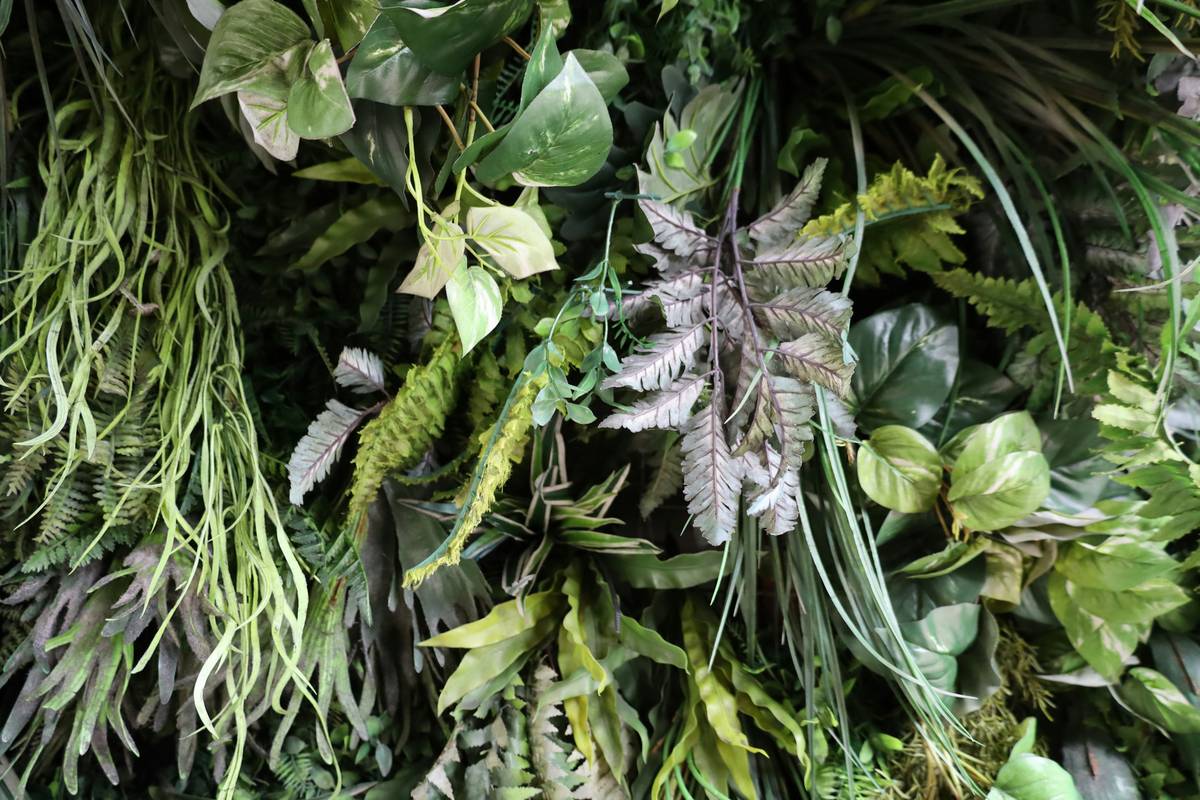
According to a 2023 report by the National Association of Landscape Professionals, over 68% of homeowners now blend real and artificial greenery to maintain year-round curb appeal without constant upkeep. And honestly? My own patio transformed once I swapped out brittle plastic ivy for UV-stabilized eucalyptus vines that still look dew-kissed at dusk—three summers later.
Step-by-Step Guide to Installing Your Hanging Greens
1. Assess Light Exposure First
Determine sun intensity in your target area. South-facing spots need UV-treated materials; shaded zones allow more flexibility.
2. Choose the Right Mounting Hardware
Use rust-resistant hooks rated for at least 10 lbs—even lightweight faux plants gain weight when damp. For pergolas or eaves, opt for screw-in anchors over adhesive hooks.
3. Layer for Depth
Hang varying lengths (12”, 18”, 24”) at staggered heights. Mix trailing pothos-style strands with fuller clusters like ferns to avoid a “flat” look.
4. Anchor with Weight (If Needed)
In breezy areas, add discreet fishing weights inside pot bases to prevent wild swaying that frays stems.
Best Practices for Long-Lasting Beauty
- Wash gently every 2–3 months: Use a microfiber cloth and mild soapy water—never hose pressure, which damages delicate fibers.
- Rotate seasonally: Swap summer greens for autumn-toned varieties to keep your space feeling current.
- Never use “waterproof” sprays: Many contain chemicals that degrade UV coatings—this is a terrible tip I learned the hard way after ruining a $50 set.
- Pair with real herbs: Hang a small basil or mint pot nearby; the scent tricks the brain into perceiving all nearby greenery as alive.
Real-World Results from Smart Choices
Last spring, I redesigned my balcony using nearly natural hanging plants alongside two real string-of-pearls planters. By selecting silk-based monstera vines with embedded wire stems (allowing reshaping), I achieved a jungle-like cascade that survived 100°F heat and monsoon rains. Six months in, neighbors still ask if everything’s real. The secret? Material quality. I sourced from a supplier certified by the Artificial Plant Manufacturers Society, which enforces strict realism and durability standards. Meanwhile, a friend who bought discount Amazon bundles saw hers turn chalky-white by August—a painful reminder that not all “faux” is created equal.
For more on sustainable outdoor design principles, see the University of Minnesota Extension’s guide on low-maintenance landscaping.
Frequently Asked Questions
Are nearly natural hanging plants safe for pets?
Most high-quality versions use non-toxic polymers, but always check manufacturer specs. Unlike real lilies or ivy, they pose no ingestion risk—ideal for homes with curious cats.
Can I leave them outside year-round?
Yes, if labeled UV-resistant and frost-tolerant. Avoid submerging in snow or ice, which can crack internal wiring.
How do I make them look less fake?
Dust regularly, add subtle imperfections (lightly bend a few leaves), and mix with real elements like dried grasses or wood beads.
Do they increase home value?
While not a direct appraisal booster, staged exteriors with lush greenery—real or realistic—can improve buyer perception. Per the National Association of Realtors, well-decorated outdoor spaces shorten sale time by up to 17%.
If you’re ready to transform your porch, patio, or pergola with worry-free greenery that fools even seasoned gardeners, we’d love to hear your vision. Reach out through our Contact Us page—we specialize in natural ambiance that fits real lives. And for background on our design philosophy, visit our About Us page. All interactions respect your privacy, as outlined in our Privacy Policy.
Remember: perfection is overrated. A slightly tousled vine catches the breeze—and the eye—better than any sterile showroom display. So hang boldly, dust lightly, and let your walls whisper green.

