You want lush, cascading greenery that transforms your porch or patio—but you walk into Home Depot overwhelmed by rows of identical-looking hanging baskets. You grab the first one that looks full, only to watch it wilt within weeks. Sound familiar? The truth is, most hanging plants from big-box stores aren’t built to last. But there’s a smarter way to shop—and grow—hanging plants home depot offers.
Why 80% of Home Depot Hanging Plants Fail Within 30 Days
It’s not buyer error. It’s design flaw. Most pre-planted hanging baskets sold at national chains are packed with moisture-retentive soil and over-fertilized to look “full” on day one. Gorgeous in-store. Doomed at home.
These plants are grown fast—in high-density greenhouses with artificial lighting—then shipped across states. By the time they hit the shelf, their root systems are cramped, stressed, or already rotting. And Home Depot’s typical mix? Petunias, ivy geraniums, and million bells. All thirsty, sun-hungry species that suffer silently under shade or erratic watering.
Result? A $14.98 basket turns brown before your weekend is over.
How to Choose & Care for Hanging Plants from Home Depot That Actually Thrive
Pick Resilient Species Over Showy Blooms
Ignore the flashy petunias. Go for trailing succulents, pothos, or string of pearls. They tolerate inconsistent care better—and many are now stocked year-round in Home Depot’s indoor plant aisles, not just seasonal outdoor racks.
Inspect Roots Before Buying—Yes, Really
Flip the pot. Gently squeeze the base. If roots are circling tightly or poking through drainage holes, skip it. Healthy hanging plants should have firm, white-ish roots—not soggy brown ones smelling faintly sour.
Repot Immediately (Even If It Looks Fine)
This is non-negotiable. Swap out that dense nursery soil for a lightweight, well-draining mix (50% potting soil, 30% perlite, 20% orchid bark). Your future self will thank you when monsoons hit—or you forget to water for four days.

| Plant Type | Typical Home Depot Price | Sun Needs | Water Frequency | Survival Odds (60 Days) |
|---|---|---|---|---|
| Petunia Mix (Pre-planted basket) | $12–$18 | Full sun (6+ hrs) | Every 1–2 days | 35% |
| Pothos (4” pot, trailing) | $6–$9 | Low to bright indirect | Every 7–10 days | 92% |
| String of Pearls (Hanging container) | $10–$14 | Bright indirect | Every 10–14 days | 85% |
| Ivy Geranium | $15 | Partial sun | Every 2–3 days | 50% |
The Industry Secret: Ask for “Overstock” or “End-of-Season” Discounts—Then Rehab Them
Here’s what Home Depot associates won’t advertise: late summer and early fall are prime times to score discounted hanging baskets marked down 50–70%. Most shoppers avoid them—they look leggy or sparse. But that’s exactly what you want.
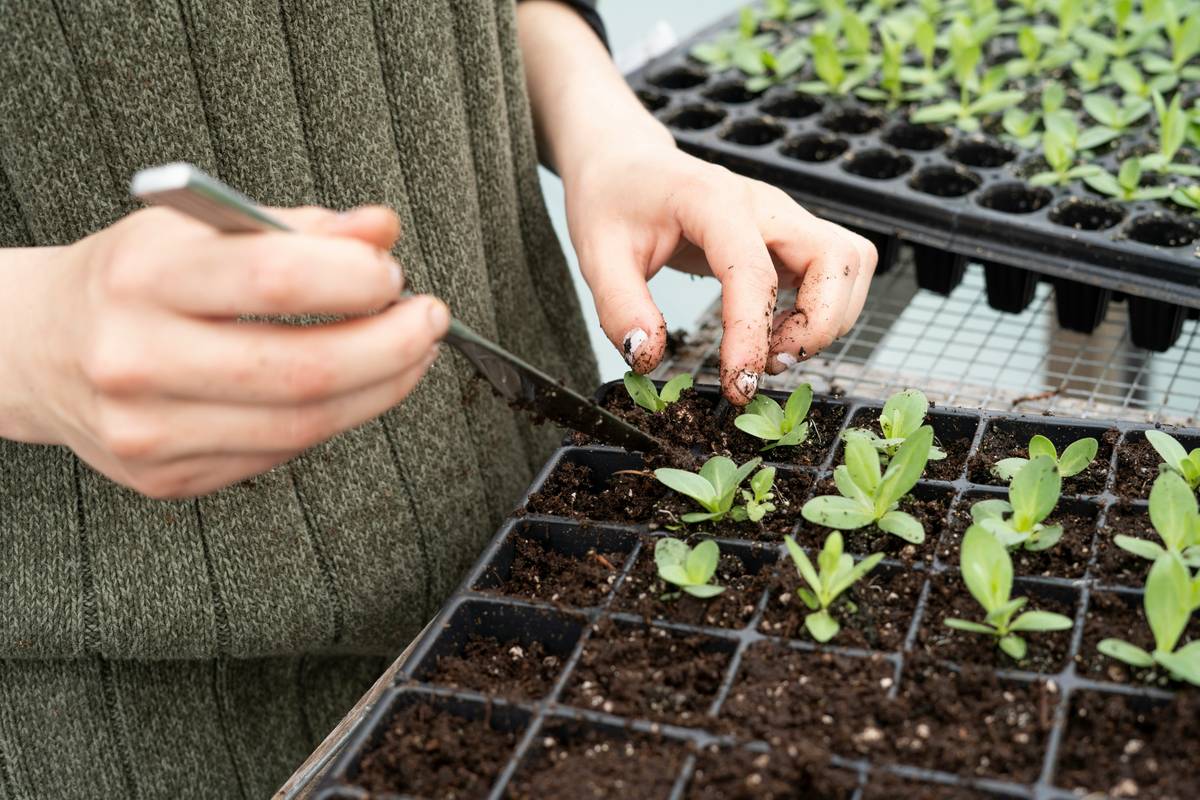
Plants past their retail “peak” often have stronger root development and less chemical dependency. Snip back leggy stems, repot, give them a balanced liquid feed (not bloom booster), and place in dappled light. Within 3 weeks, they’ll bush out healthier than any “perfect” basket bought in May.
And yes—you can do this indoors. A south-facing window + weekly misting revives even sun-stressed specimens. The math is simple: pay $5 for a rehab candidate instead of $16 for a doomed beauty.
Frequently Asked Questions
Does Home Depot sell hanging plants year-round?
Yes—but selection shifts seasonally. Spring/summer features flowering baskets; fall/winter focuses on evergreen trailers like English ivy and pothos in the indoor plant section.
Are Home Depot hanging plants safe for pets?
Not all. Pothos and lilies are toxic to cats. Always check plant tags or ask staff. Safer bets: spider plants, Boston ferns, or parlor palms—often available in hanging formats.
Can I return dead hanging plants to Home Depot?
Most stores offer a 90-day plant guarantee with receipt. But if the plant shows signs of overwatering or neglect, they may deny returns. Pro tip: take a photo of your plant on purchase day as proof of initial condition.