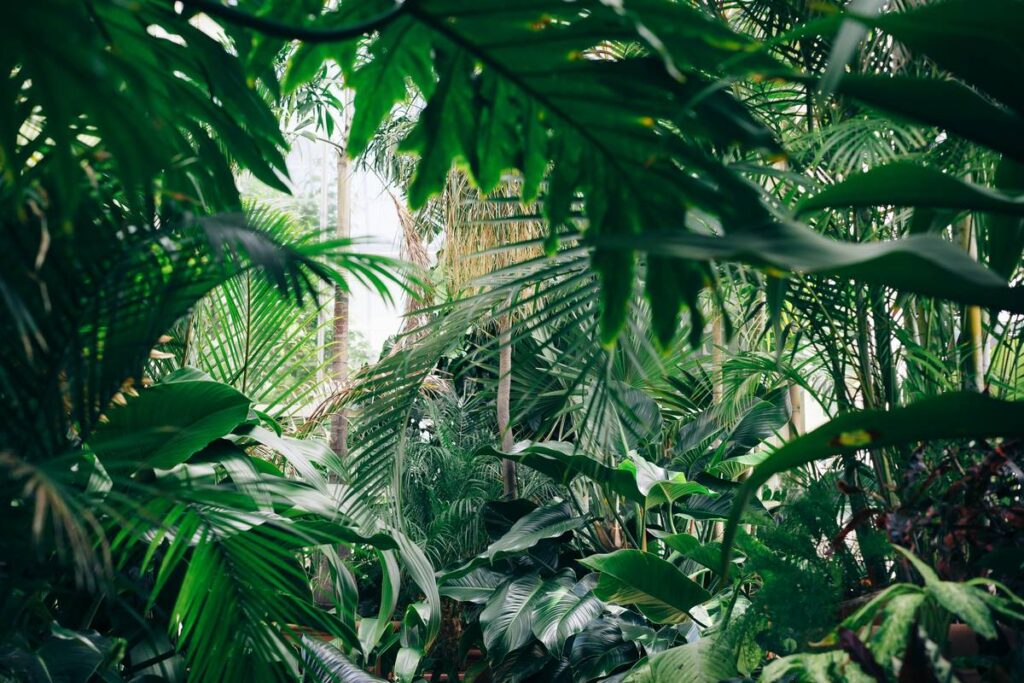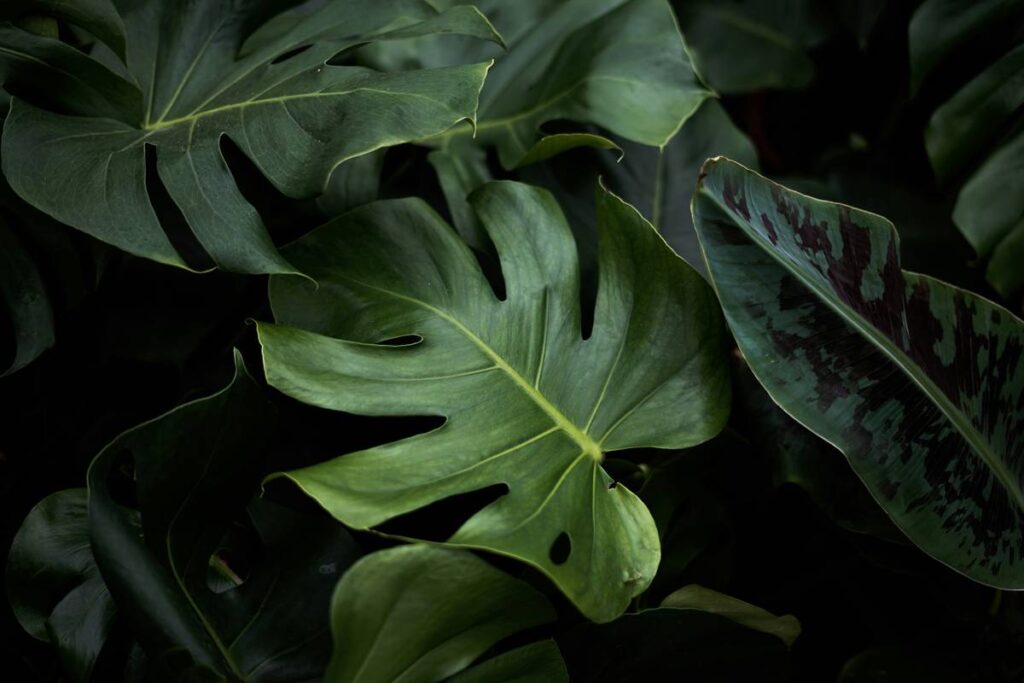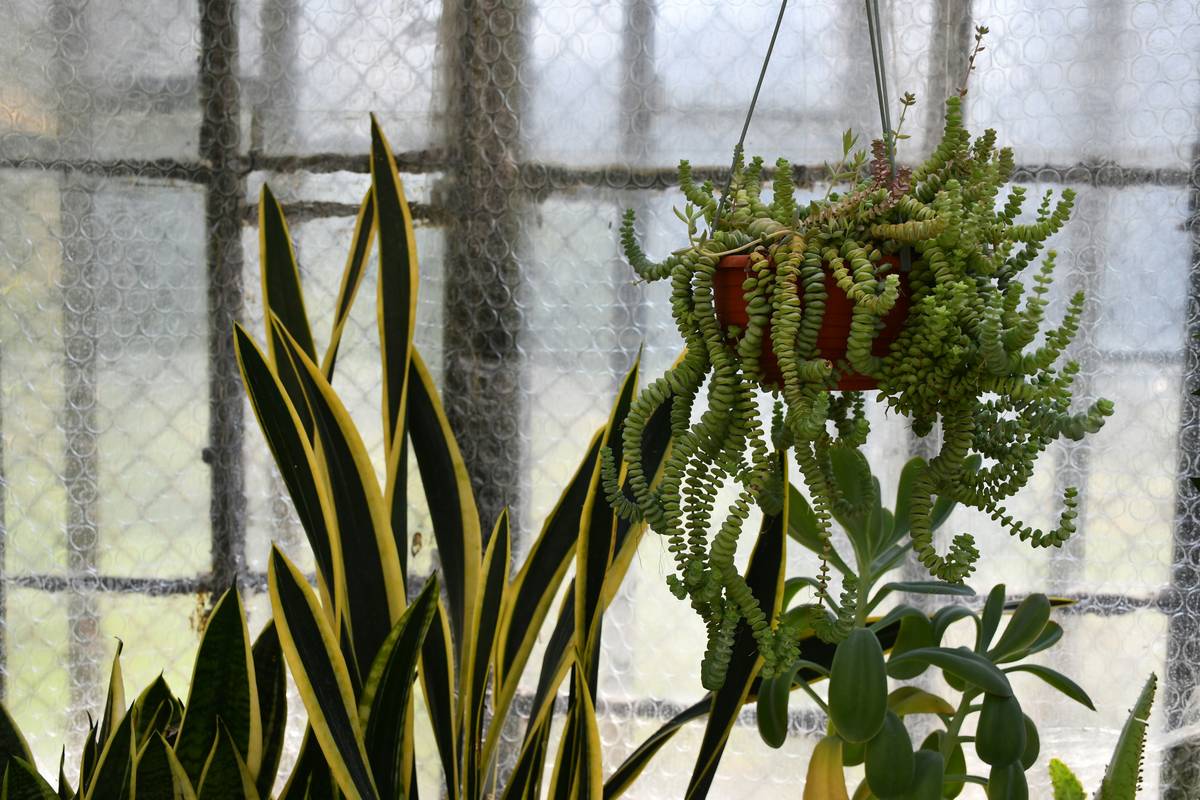
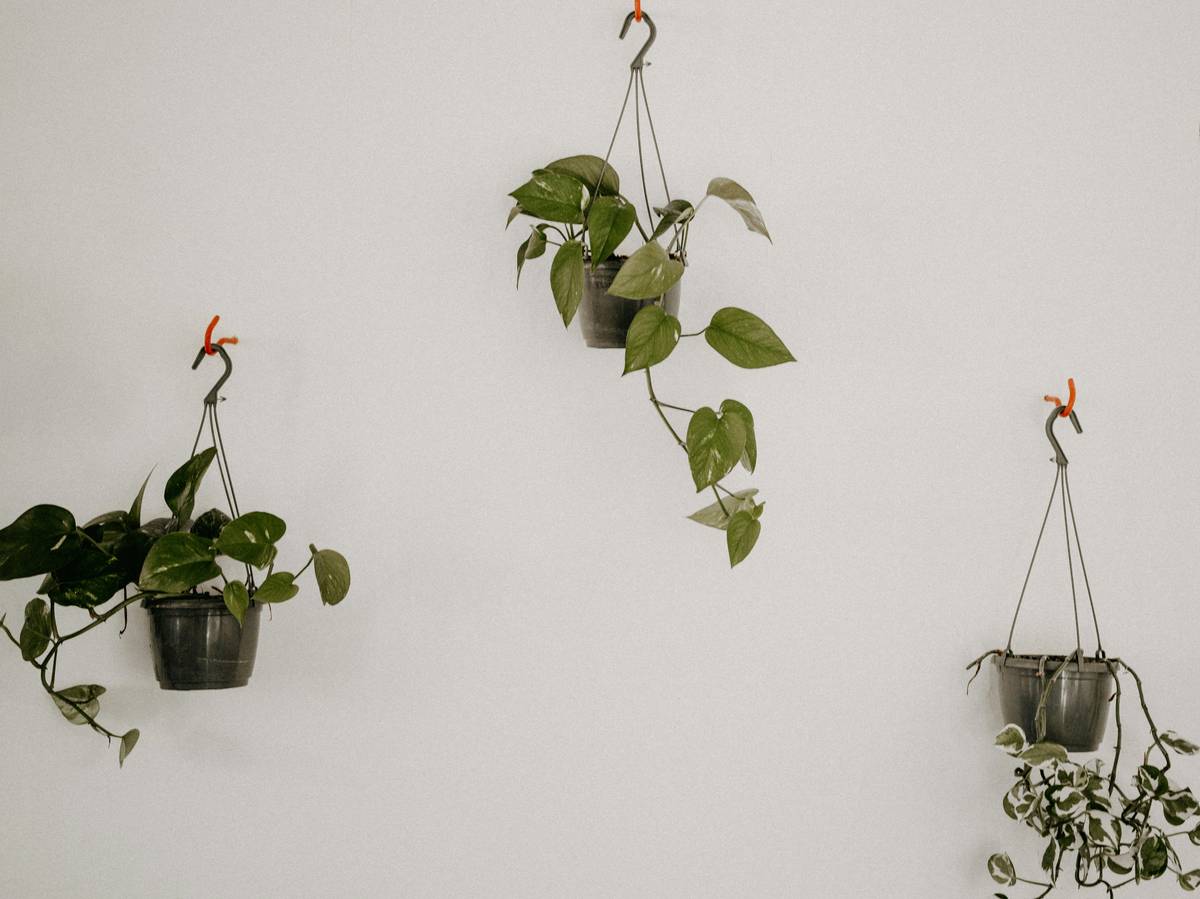
Your walls feel flat. Your corners gather dust. You’ve rearranged the furniture three times this month—and still, the room lacks life. And you’re not alone. Most homeowners treat vertical space like dead real estate. But here’s the fix: hanging indoor plants for home decoration. They add depth, texture, and breathing greenery where floor planters can’t go.
Why most people fail at hanging indoor plants for home decoration
They hang a pothos in a macramé hanger and call it “done.” Then it browns out in two weeks. Or they choose trendy but thirsty calatheas that demand humidity levels rivaling a rainforest—without delivering drainage or airflow.
The truth? Success isn’t about the plant alone. It’s about matching species to microclimates you already have. And most guides skip that entirely.
Your no-fluff, battle-tested setup guide
Pick plants that actually survive indoors
Not all “indoor” plants are created equal. Go with proven survivors: spider plants, heartleaf philodendrons, string of pearls (if you get bright indirect light), and ZZ plants for low-light zones. Avoid fussy ferns unless you’ve got a steamy bathroom window.
Install hooks that won’t pull out mid-swing
Drywall anchors fail under weight—especially when soil gets waterlogged. Use ceiling joist-mounted hooks or toggle bolts rated for 10+ lbs. And always test with double the expected load before trusting your favorite ceramic planter.
Water smarter, not more
Hanging pots dry faster—but overwatering kills faster than drought. Stick your finger in the soil. If it’s damp below the first knuckle? Wait. Better yet: use self-watering hangers with reservoirs. Game changer.
| Hanging Method | Upfront Cost | Maintenance Difficulty | Better For |
|---|---|---|---|
| Macramé Hangers | $8–$25 | Medium (requires knot checks) | Lightweight plants like pothos or ivy |
| Ceiling-Mounted Hooks + Ceramic Pots | $15–$40 (plus hook install) | Low (once installed securely) | Heavier plants like Boston ferns or mature ZZs |
| Self-Watering Wall Planters | $20–$60 | Very Low (refill every 2–3 weeks) | Forgetful owners or high-traffic rooms |
| Suction Cup Window Holders | $6–$15 | High (fails in humidity shifts) | Renting? Only for short-term trials |
The industry secret: plants as acoustic softeners
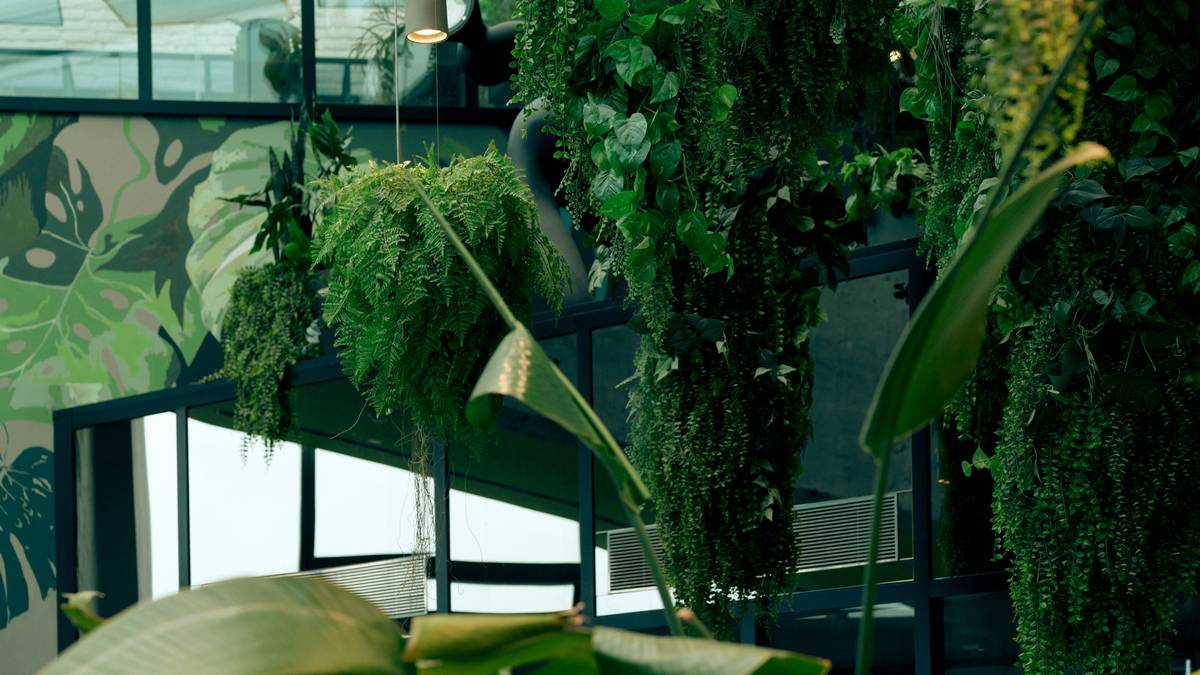
Nobody talks about this—but dense foliage in hanging arrangements absorbs ambient noise. A cluster of trailing tradescantia or ruffled monstera adansonii overhead breaks up sound waves bouncing off hard floors and windows. In open-plan lofts or echoey studios? That’s free acoustic treatment disguised as decor.
And retailers know it. High-end showrooms layer hanging greens precisely to mute chatter and create “calm zones.” You can do the same—for under $50.
FAQ: Real questions from real beginners
Which hanging indoor plants need the least sunlight?
ZZ plants, snake plants (in compact varieties), and cast iron plants thrive in low light. Avoid variegated types—they’ll fade without bright indirect exposure.
How often should I rotate my hanging plants?
Every 1–2 weeks. Gravity pulls growth downward, but light pulls it sideways. Rotate to keep stems balanced and prevent lopsided vines.
Can I hang plants in rooms without windows?
Yes—with grow lights. Use discreet LED strips aimed upward into the canopy. Pair with moisture-retentive soil to offset artificial heat.