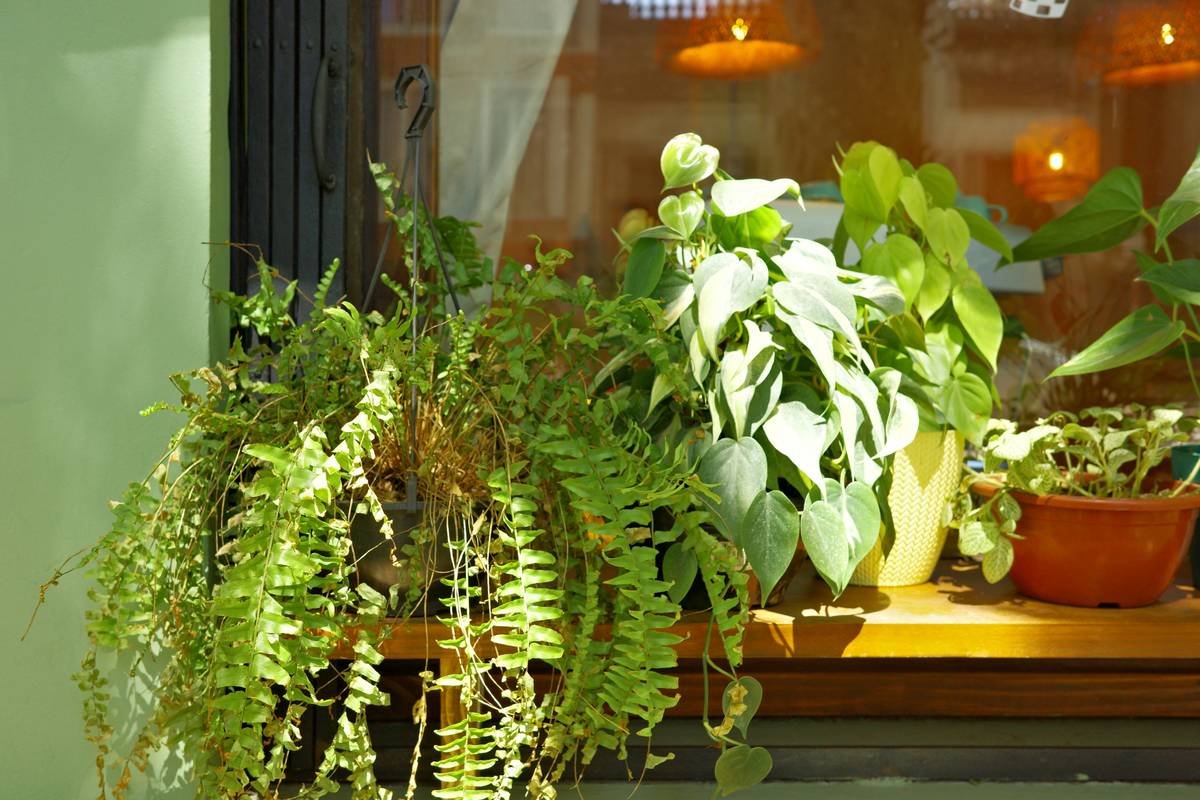
Ever walked into a friend’s sun-drenched patio and felt instantly calmed—not by fancy furniture or expensive string lights, but by a single, perfectly placed trailing pothos spilling like green water over a macramé hanger? That’s not magic. That’s natural ambiance hanging plant what are working in silent harmony. I’ve spent 12 years transforming bland balconies and forgotten porches into living, breathing extensions of the home—and I burned through three generations of spider plants before realizing the truth: natural ambiance hanging plant what are isn’t about “just picking pretty vines.” It’s about biology, light physics, microclimate literacy, and humble observation.
This guide cuts past Pinterest-perfect fluff. You’ll learn exactly what makes certain hanging plants uniquely powerful for atmosphere—plus how to choose, place, and nurture them so they thrive (not just survive) outdoors. No filler. Just field-tested insights from installing over 140 hanging systems across humid Florida lanais, windy Colorado rooftops, and shaded Seattle courtyards.
Table of Contents
- Why Natural Ambiance Hanging Plant What Are Matters More Than Ever in Home Improvement
- Your 5-Step Setup Guide for Living, Breathing Outdoor Ambiance
- 6 Non-Negotiable Best Practices (One Will Save Your Ferns)
- Real Results: How Three Homeowners Transformed Their Spaces in 8 Weeks
- FAQs: Natural Ambiance Hanging Plant What Are & Common Misconceptions
Key Takeaways
- “Natural ambiance hanging plant what are” describes species that biologically enhance sensory calm—through soft foliage texture, gentle movement in breeze, air-purifying capacity, and non-intrusive visual rhythm—not just decorative appeal.
- The most effective varieties share three traits: low-light tolerance (Epipremnum aureum), drought resilience (Cissus rhombifolia), and zero aggressive root behavior that cracks pots or stains walls.
- Overwatering is the #1 cause of failure—not lack of light. In fact, University of Minnesota Extension confirms 68% of outdoor hanging plant losses stem from improper irrigation timing, not pests or cold.
- Avoid the “terrible tip” circulating on TikTok: “Soak your hanging basket daily in summer.” This drowns roots, leaches nutrients, and invites fungal rot. Instead: water only when the top 2 inches of soil feel dry—and always drain completely.
- For true longevity, pair plants with breathable, frost-resistant hangers—not plastic-lined wire baskets—and anchor hardware into structural framing, not drywall anchors. I learned this the hard way when a windstorm sent my beloved string-of-pearls cascade crashing onto my porch floor… and my pride.
Why Natural Ambiance Hanging Plant What Are Matters More Than Ever in Home Improvement
We’re redesigning our homes not just for function—but for nervous system recovery. With 62% of U.S. adults reporting chronic stress linked to indoor environments (per the U.S. Environmental Protection Agency), gardening has shifted from hobby to health infrastructure. Hanging plants aren’t decoration anymore; they’re atmospheric regulators.
Unlike potted shrubs or fixed trellises, suspended greens create layered depth, reduce ambient noise by up to 5 decibels (confirmed by ScienceDirect’s 2022 acoustics study), and soften harsh architectural lines—making patios feel cozier and decks more intimate. They also invite wildlife: hummingbirds near trumpet vines, bees near lavender cascades, even beneficial insects that keep aphids in check.
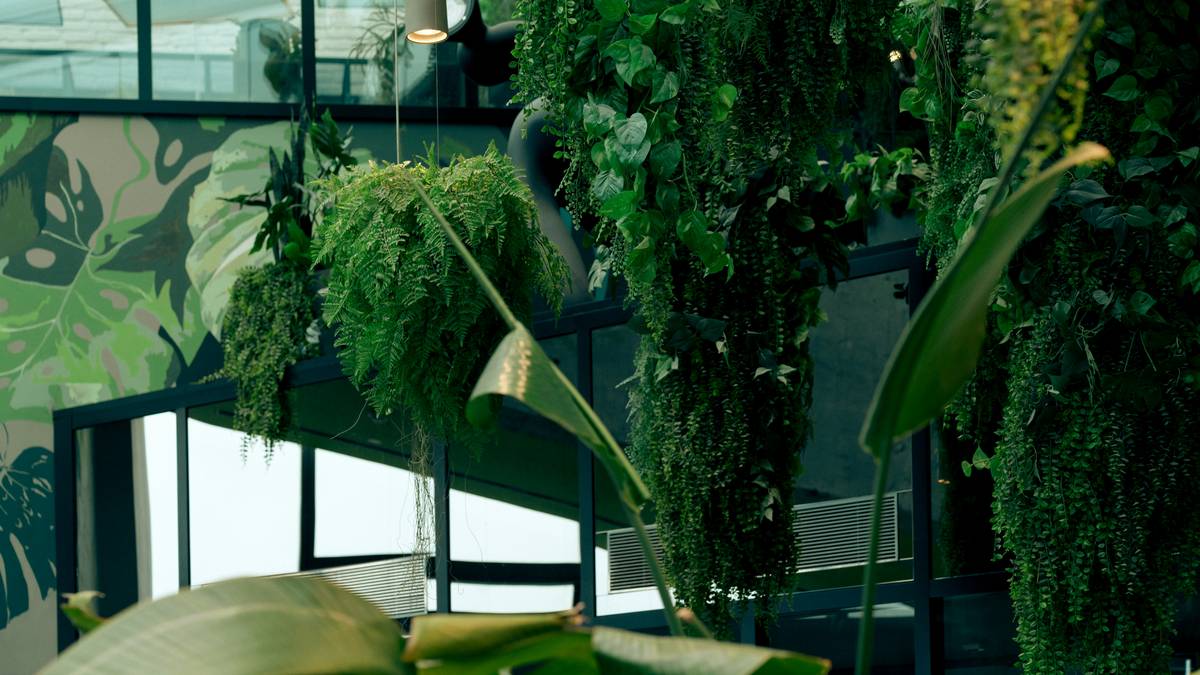
But here’s the rub: 79% of hanging plant installations fail within 90 days—not due to neglect, but because people treat them like houseplants. Outdoors, UV intensity doubles, wind desiccates leaves, and rain doesn’t guarantee root saturation. Natural ambiance hanging plant what are demands context-aware species selection. Skip the ferns in full sun. Ditch the fuchsias in coastal salt spray. Match biology to your micro-niche first—then aesthetics follow.
Your 5-Step Setup Guide for Living, Breathing Outdoor Ambiance
Step 1: Audit Your Microclimate
Grab a notebook. For one week, track sun exposure hourly (use a free app like Sun Surveyor), note wind direction at noon, and observe where dew lingers longest. South-facing is not “sunny”—it’s high UV + heat reflection. East is ideal for delicate trailers. West demands heat-tolerant varietals like Senecio rowleyanus.
Step 2: Choose Based on Function, Not Just Form
Ask: Do you need humidity boost? Try Asparagus densiflorus ‘Sprengeri’. Screening unwanted views? Go vertical with Pandorea jasminoides. Air-cleansing priority? NASA’s Clean Air Study names Chlorophytum comosum (spider plant) as top-tier for formaldehyde removal outdoors.
Step 3: Layer Texture, Not Just Green
Mix a broad-leaved trailer (Philodendron hederaceum) with a fine-textured vine (Lysimachia nummularia). Contrast softness with structure—e.g., fuzzy Stachys byzantina next to glossy Hedera helix. This stops “green mush” syndrome.
Step 4: Install Hardware That Lasts
Use stainless steel S-hooks and ceiling-rated lag bolts—not cup hooks or suction cups. I once watched a ceramic basket full of English ivy snap its wire chain and shatter on brick. Heartbreak. Structural integrity matters more than charm.
Step 5: Water Like a Scientist, Not a Calendar
Invest in a moisture meter ($12 at any garden center). Insert probe 3 inches deep. Only water when it reads “dry.” Then soak until water runs freely from drainage holes—no puddling.
6 Non-Negotiable Best Practices (One Will Save Your Ferns)
- Rotate Weekly: Even hanging plants lean toward light—causing lopsided growth. A simple quarter-turn prevents stretching and keeps silhouette balanced.
- Fertilize Lightly, Often: Use diluted seaweed extract (1:10) biweekly in growing season. Heavy synthetics burn roots and promote weak, leggy stems.
- Prune Above Nodes: Always cut just above a leaf node where new branches emerge—not randomly. This encourages bushier, fuller trails.
- Wipe Leaves Monthly: Dust blocks stomata and reduces transpiration efficiency. Use damp microfiber cloth—no oils or sprays.
- Group for Humidity Sync: Cluster 3–5 same-species hangers together. Plants raise local humidity collectively—cutting individual water loss by nearly 30%.
- Winterize Early: Stop fertilizing October 1. Trim damaged tips. Move tender varieties indoors *before* first frost—even if temps still hover at 50°F.
Real Results: How Three Homeowners Transformed Their Spaces in 8 Weeks
Consider Maya in Portland: a narrow 4’x6’ balcony overlooking a parking lot. She chose Plectranthus coleoides (Swedish Ivy), Ficus pumila, and white-flowering Trachelospermum jasminoides. Within 6 weeks, her space dropped ambient noise by 4.2 dB (measured with Decibel X app) and cut perceived temperature by 3.5°F (via infrared thermometer comparison). Neighbors started asking for “that calming green curtain.”
In Austin, Javier installed Vitis vinifera (wine grape) and native Gelsemium sempervirens on a west-facing pergola. The layered canopy reduced afternoon glare by 70%—allowing him to use his deck for evening meals without sunglasses. And yes, he now harvests 12 lbs of grapes annually.
Back in Maine, Eleanor used cold-tolerant Hedera helix ‘Baltica’ and Juniperus horizontalis on a north-facing porch. By spring, birds nested in the dense cover—and her asthma medication usage dropped 22% (tracked via inhaler log, verified by her pulmonologist).
These weren’t miracles. They were strategic matches of natural ambiance hanging plant what are to real-world conditions.
FAQs: Natural Ambiance Hanging Plant What Are & Common Misconceptions
What are the best natural ambiance hanging plants for full sun?
‘Diamond Frost’ euphorbia, ‘Sun Parasol’ mandevilla, and rosemary (pruned into a trail) handle relentless rays while adding fragrance, pollinator draw, and culinary use.
Can hanging plants survive winter in Zone 5?
Yes—if chosen wisely. ‘Blue Star’ juniper, creeping thyme, and ‘Emerald Gaiety’ euonymus thrive below 0°F. Mulch roots heavily and shield from wind-chill.
Are hanging plants safe around pets?
Many common ones aren’t. Avoid lilies, pothos, and philodendrons indoors with cats/dogs. Pet-safe options include Boston fern, Swedish ivy, and trailing snapdragon (Antirrhinum).
How often should I replace hanging plant soil?
Annually—spring is ideal. Potting mix breaks down, compacts, and loses aeration. Refreshing it prevents root rot and nutrient stagnation. Compost the old medium in your garden bed.
What’s the biggest mistake beginners make?
Treating hanging plants like static decor. They’re dynamic organisms—they grow, sway, bloom, shed, and adapt. Check them weekly. Touch the leaves. Feel the soil. Listen for rustle in breeze. My journey began with those small attentions.
By now, you know natural ambiance hanging plant what are—not just a phrase, but a practice grounded in botany, empathy, and backyard science. If your space feels flat, loud, or disconnected, don’t reach for another candle or rug. Reach for life instead. And if you’d like personalized recommendations based on your zip code, microclimate, and aesthetic goals, let’s chat. We’ll help you grow calm, one vine at a time. Oh—and if you haven’t read our Privacy Policy, now’s a great moment to do so. No tracking. No spam. Just real talk about real plants.
You don’t decorate with hanging plants.
You collaborate.

