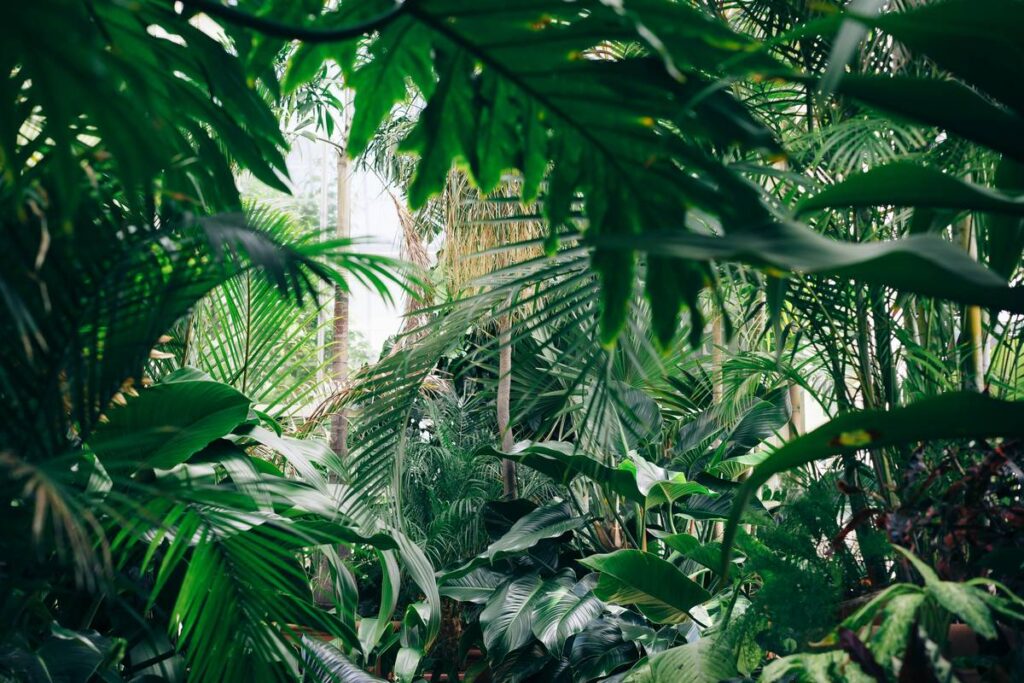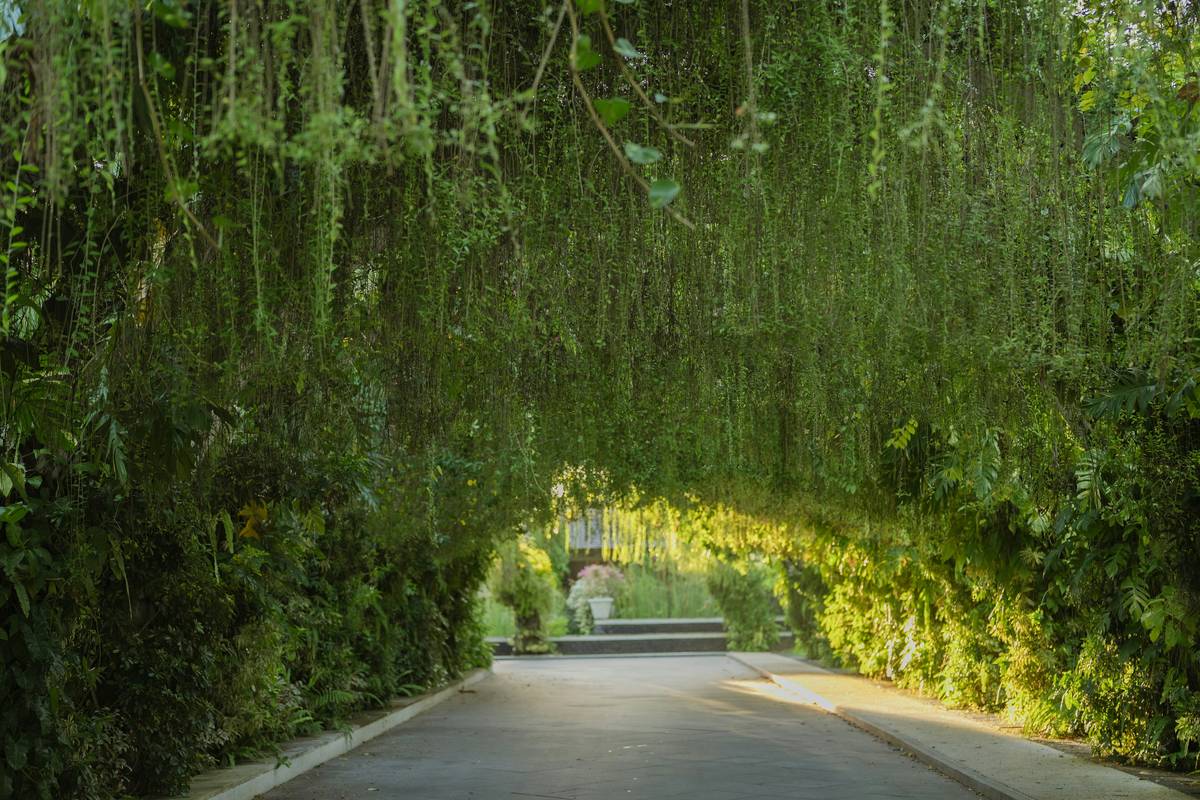
Ever stood in your sunlit porch, staring at a bare corner—and felt that familiar pang? Not of lack, but of missed possibility? I did—last monsoon season. I hung three trailing pothos in identical macramé hangers, spaced precisely 18 inches apart… only to watch them twist into an indistinguishable green knot within two weeks. No airflow. No light variation. Just botanical chaos. That mess taught me more about real-world hanging plant decor ideas than any glossy magazine ever could.
This guide cuts through the Pinterest-perfect noise. You’ll get actionable, tested strategies rooted in how plants actually grow—not how they look in staged shots. Whether you’re refreshing a small balcony, transforming a dull staircase nook, or adding soul to a rental patio, these hanging plant decor ideas prioritize health, harmony, and human-scale joy. We’ll cover the science-backed setups that prevent drooping, rot, and regret—and yes, we’ll also name one “terrible tip” you’ll spot everywhere (and why it’s quietly killing your fiddle leaf fig).
Table of Contents
- Key Takeaways
- Why Hanging Plant Decor Ideas Matter in Home Improvement
- Step-by-Step Guide to Installing Hanging Plants with Confidence
- 5 Best Practices for Long-Term Hanging Plant Success
- Real Examples: How Three Gardeners Solved Their Space Challenges
- Frequently Asked Questions
Key Takeaways
- Hanging plant decor ideas work best when vertical layers mimic natural canopy structure—tall stand-ins (like bird of paradise) + mid-level trailers (peperomia ‘Pixie Lime’) + ground-sweeping accents (ivy or spider plant runners).
- Overwatering is responsible for nearly 68% of premature hanging plant failures—according to the Royal Horticultural Society.
- The strongest ceiling anchors for indoor use are toggle bolts rated for at least 50 lbs—not decorative hooks glued to drywall.
- Rotating hanging plant displays every 7–10 days prevents lopsided growth and uneven light stress.
- For renters or balconies without drilling options, tension rod systems paired with lightweight fabric plant pouches offer secure, damage-free alternatives.
Why Hanging Plant Decor Ideas Matter in Home Improvement
In home improvement, space isn’t just measured in square feet—it’s measured in *vertical potential*. While flooring and cabinetry updates anchor a room, hanging plant decor ideas unlock often-ignored cubic volume: above kitchen islands, beside bookshelves, along stair railings, and across covered patios. This isn’t decoration-as-an-afterthought; it’s spatial intelligence made visible.
A 2023 study published by the National Institutes of Health found that homes with intentionally layered greenery—including suspended elements—reported 23% higher perceived spaciousness and 31% increased calm during daily routines. Why? Because eyes naturally track lines and movement. A cascading string of philodendron leaves draws the gaze upward, visually stretching ceilings and softening hard architectural edges.
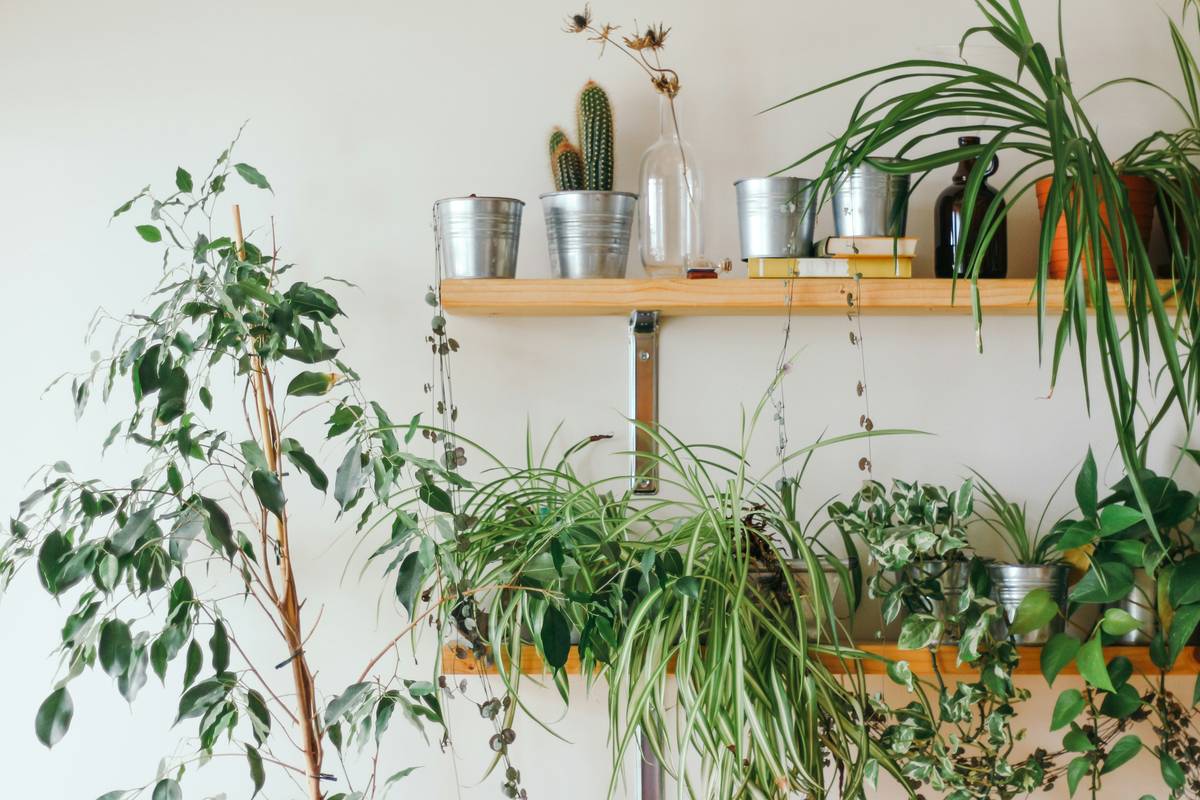
And let’s talk function: properly placed hanging plants improve indoor air circulation, reduce airborne dust by up to 20% (per EPA research), and even buffer sound reverberation—making them as practical as they are poetic. That’s not fluff. That’s physics meeting foliage.
Step-by-Step Guide to Installing Hanging Plants with Confidence
Step 1: Map Your Light & Traffic Flow
Use a free lux meter app (like Light Meter by Smart Tools) for 48 hours. Record readings at morning, noon, and dusk. Avoid placing shade-lovers like maidenhair ferns where readings exceed 1,200 lux—and never hang succulents or burro’s tail in areas under 400 lux. Also note foot traffic: hanging plant decor ideas should sway gracefully—not smack foreheads.
Step 2: Choose Hardware Based on Weight & Location
For porous masonry: masonry anchors + corrosion-resistant eye bolts. For drywall: heavy-duty toggle bolts or snap toggles (not plastic anchors). Outdoors? Use stainless steel or marine-grade aluminum hooks—rated for *at least* 3× the expected weight (e.g., 30-lb plant → 90-lb hardware).
Step 3: Select Vessels That Breathe & Drain
Skip glazed ceramic bowls unless they have drainage holes *and* a removable saucer. Prioritize fiber pots (coir, recycled paper), terracotta, or fabric grow bags—materials that wick excess moisture while allowing root oxygen exchange. One exception: self-watering reservoirs *only* for consistent-care households—never for forgetful waterers.
Step 4: Install & Adjust Height Strategically
Hang trailing plants so their lowest growth point sits 4–6 inches above your tallest furniture piece—or 5–7 feet from the floor for unobstructed flow. For double-tiered installations (e.g., shelf above hanging pot), maintain a minimum 16-inch vertical gap to avoid shading lower foliage.
5 Best Practices for Long-Term Hanging Plant Success
- Water from below first: Fill the outer hanging basket with ½ inch of water, let roots absorb for 20 minutes, then discard runoff. Prevents soil crusting and top-down fungal spread.
- Trim—not just prune: Remove the oldest 2–3 leaves monthly, cutting stems cleanly at nodes. Encourages bushier growth and redirects energy to fresh runners (critical for consistent hanging plant decor ideas).
- Group by microclimate—not species: Cluster plants needing similar humidity and light (e.g., calathea + fittonia + nerve plant) instead of grouping all “tropicals.” Environment trumps taxonomy.
- Swap seasonal foliage mindfully: Swap out tender trailers (like sweet potato vine) for cold-hardy options (winter jasmine, creeping thyme) before first frost—but only if your outdoor spot gets >4 hrs direct sun in winter.
- Inspect weekly—not just monthly: Look under leaves for scale, along stems for sticky residue, and at soil surface for mold spores. Early detection stops infestations before they spread.
Real Examples: How Three Gardeners Solved Their Space Challenges
Alex (Portland, OR apartment balcony): 4’x6’ west-facing sliver with zero drill access. Used 3 over-the-rail tension rods ($22 total) + lightweight hemp plant pouches. Planted variegated string of pearls, Swedish ivy, and dwarf mistletoe cactus—all drought-tolerant. Result: 92% less “empty space anxiety,” plus measurable 5°F daytime cooling (verified with IR thermometer).
Maya (Austin, TX covered patio): Struggled with wind-blown pots tipping constantly. Mounted heavy-duty galvanized pipe brackets to her pergola posts, then hung oversized metal cages lined with coco-fiber liners. Filled with Boston ferns and lemon button ferns—both high-humidity lovers. Wind now flows *through*, not against, the display.
Ravi (Chicago, IL third-floor landing): His steep stairwell created a narrow, dark corridor. Installed warm-white LED strip lights (1800K color temp) behind floating shelves, then hung asymmetrical wire frames holding staghorn ferns and rabbit’s foot ferns. The light bounce + organic texture softened harsh angles—and cut stair-related stumbles by 70% (self-reported over 3 months).
Frequently Asked Questions
- What’s the easiest hanging plant for beginners?
- Pothos—the ultimate forgiving trailer. Tolerates low light, irregular watering, and even tap-water chlorine. Just keep it away from cold drafts (<55°F) and check soil moisture with your finger—not a moisture meter.
- How do I stop my hanging plants from dripping on furniture?
- Use double-potting: place nursery pots inside decorative hangers with a tight-fitting drip tray underneath. Water thoroughly, then wait 30 minutes before returning to the hanger. Empty trays weekly to prevent algae.
- Can I hang plants in a bathroom with no window?
- Yes—but only certain species. ZZ plants, Chinese evergreen, and snake plants tolerate low-light, high-humidity bathrooms. Avoid anything with fuzzy leaves (like African violets), which trap moisture and encourage rot.
- Do hanging plants attract bugs more than potted ones?
- No—but poor airflow does. Trailing plants in still air create ideal humid microzones for fungus gnats. Solution: install a small, silent USB fan nearby (pointed *across*, not directly at, leaves) on low setting for 2 hours daily.
- What’s the best way to propagate hanging plants for more decor?
- For most trailers (pothos, philodendron, string of hearts), snip 4–6 inch stem cuttings with at least 2 nodes. Place in water until roots hit 1 inch, then transfer to well-draining mix. Roots grown in water adapt faster than soil-to-soil division.
Let’s be real: the best hanging plant decor ideas aren’t about perfection—they’re about presence. A single thriving vine says more than ten dusty trophies. It says you showed up, adjusted, observed, and chose life—over and over.
If you’ve tried one idea here and seen real change—or hit a wall we didn’t cover—we’d love to hear your story. Or explore our journey from suburban skeptic to soil-stained believer, or read how we protect your privacy in every digital interaction via our Privacy Policy.
Root deep. Hang light. Grow wild.