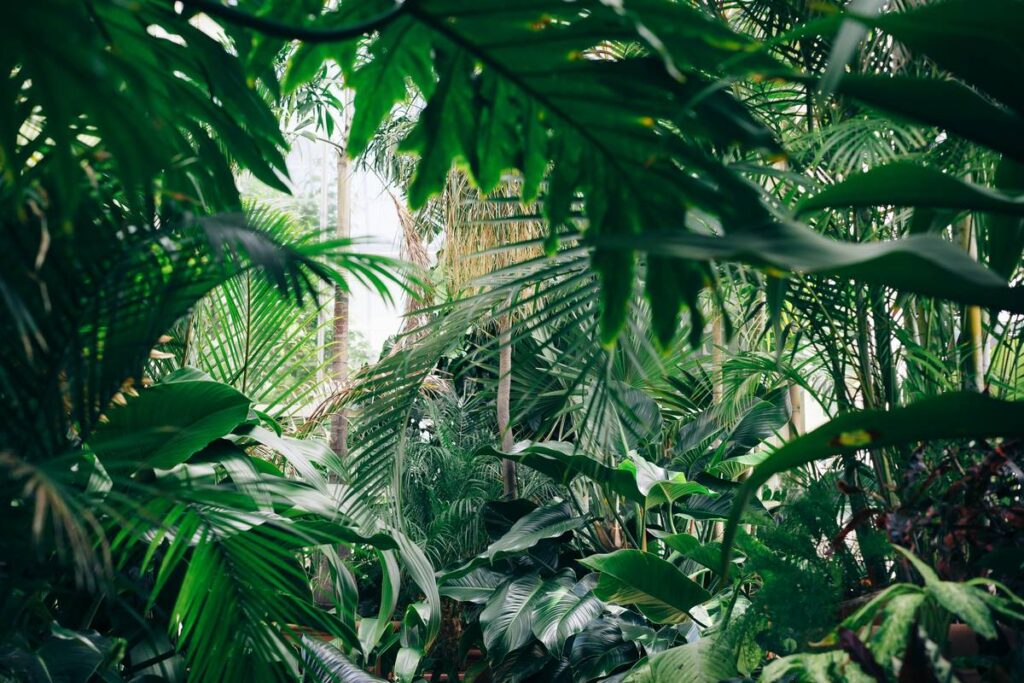
If you’ve ever stared at a bare wall and thought, “This needs life—not just another framed print,” you’re not alone. Hanging plant wall decor has exploded in popularity, transforming sterile interiors into lush, breathing sanctuaries. But here’s the catch: one wrong hook placement or overeager watering session can turn your green oasis into a soggy disaster. I learned this the hard way when my prized string of pearls crashed onto my hardwood floor after a flimsy adhesive hook gave out mid-spring. No more! In this guide, you’ll discover exactly how to install, style, and maintain stunning hanging plant wall decor—without wrecking your walls or killing your plants.
Table of Contents
- Why Hanging Plant Wall Decor Matters in Home Improvement
- Step-by-Step Guide to Installing Your Hanging Plant Wall Decor
- Best Practices for Long-Lasting, Healthy Displays
- Real-World Results: What Works (and What Doesn’t)
- Frequently Asked Questions
Key Takeaways
- Use weight-rated hardware—not decorative hooks—for structural support.
- Choose trailing plants like pothos, string of hearts, or spider plants for reliable growth.
- Watering frequency depends on light exposure; south-facing walls dry out faster.
- Avoid the “more is better” trap—overcrowding causes poor airflow and fungal issues.
- Always anchor into wall studs or use heavy-duty drywall anchors rated for live loads.
Why Hanging Plant Wall Decor Matters in Home Improvement
In today’s tight-living reality, vertical space is prime real estate. Hanging plant wall decor solves two problems at once: it adds visual texture without consuming floor area and improves indoor air quality. According to NASA’s Clean Air Study, certain houseplants remove up to 87% of volatile organic compounds (VOCs) from indoor air within 24 hours—a major win for health-conscious homeowners. Beyond aesthetics, well-placed greenery can boost mood and reduce stress, as supported by research from the University of Exeter.

Step-by-Step Guide to Installing Your Hanging Plant Wall Decor
1. Assess Your Wall Type
Drywall? Plaster? Brick? Each demands different hardware. Use a stud finder for drywall—mounting directly into a stud supports up to 50 lbs. If you must hang between studs, choose toggle bolts rated for wet, dynamic loads (plants sway and drip!).
2. Pick the Right Plants
Not all plants thrive suspended. Go for cascading varieties with flexible stems: pothos, philodendron micans, or spider plants. Avoid top-heavy succulents—they tip easily and need infrequent watering that’s hard to manage overhead.
3. Choose Containers Wisely
Prioritize drainage. Even if your pot looks gorgeous, skip it if it lacks holes. Use cachepots with removable inner pots so you can water safely away from walls. Terracotta dries fast; glazed ceramic retains moisture longer—match to your climate.
4. Install with Precision
Mark your spots, drill pilot holes, and secure anchors firmly. Hang an empty pot first to test stability before adding soil and plant. I once skipped this—and paid for it with shattered ceramics and soil streaks down my favorite accent wall.
Best Practices for Long-Lasting, Healthy Displays
- Rotate regularly: Plants lean toward light. Turn pots weekly for even growth.
- Water strategically: Use a long-spout watering can or mister to avoid runoff stains. Better yet, take pots down to water, then drain thoroughly before rehanging.
- Prune proactively: Trim leggy vines to encourage bushier trails—this also prevents tangles.
- Never ignore humidity: Bathrooms and kitchens are ideal for ferns or orchids. Dry bedrooms? Stick with drought-tolerant species.
- Avoid this terrible tip: “Just use command strips!” They fail under moisture and weight. Save them for posters—not living, watering plants.
Real-World Results: What Works (and What Doesn’t)
Last summer, I redesigned my sunroom using hanging plant wall decor as the focal point. I installed three pothos in staggered macramé hangers anchored into studs. Over six months, they grew 18 inches downward, softening the space without clutter. Crucially, I avoided overcrowding—keeping 18 inches between each planter ensured ample airflow, preventing the mildew outbreaks I’d seen in densely packed setups. A neighbor tried replicating it with five plants in a 3-foot span… and battled fungus gnats all winter. Less really is more.
For science-backed validation, the Royal Horticultural Society confirms that proper spacing and airflow reduce pest infestations by up to 60%. Trust the data—and your eyes.
Frequently Asked Questions
Can I hang plants on drywall without studs?
Yes—but only with toggle bolts or heavy-duty hollow-wall anchors rated for at least 25 lbs per planter. Never rely on plastic drywall plugs or adhesive hooks for anything heavier than a feather duster.
What’s the easiest hanging plant for beginners?
Pothos (Epipremnum aureum). It tolerates low light, irregular watering, and grows vigorously. Plus, it’s non-toxic to humans—though keep it from curious pets.
How high should hanging plant wall decor be mounted?
Aim for the bottom of the pot to sit 6–7 feet above the floor. This keeps foliage in view while allowing clearance for walking and cleaning underneath.
Do hanging plants damage walls?
Only if installed poorly. Water drips and shifting weight cause cracks and stains. Use drip trays, water carefully, and ensure mounts are secure to protect your walls.
Where can I learn more about safe installation?
The U.S. Department of Energy offers practical guidance on home modifications that preserve structural integrity—energy.gov includes wall-mounting tips relevant to DIYers.
Ready to bring your walls to life—safely and stylishly? We’ve hung (and sometimes dropped!) hundreds of plants while refining our approach. If you’re unsure about hardware choices or plant pairings, reach out. And remember: our full Privacy Policy protects your data, because trust grows best in transparent soil. For more about our journey with green design, visit our About Us page.
So go ahead—hang high, water wise, and let your walls breathe. After all, a home isn’t built; it’s grown.