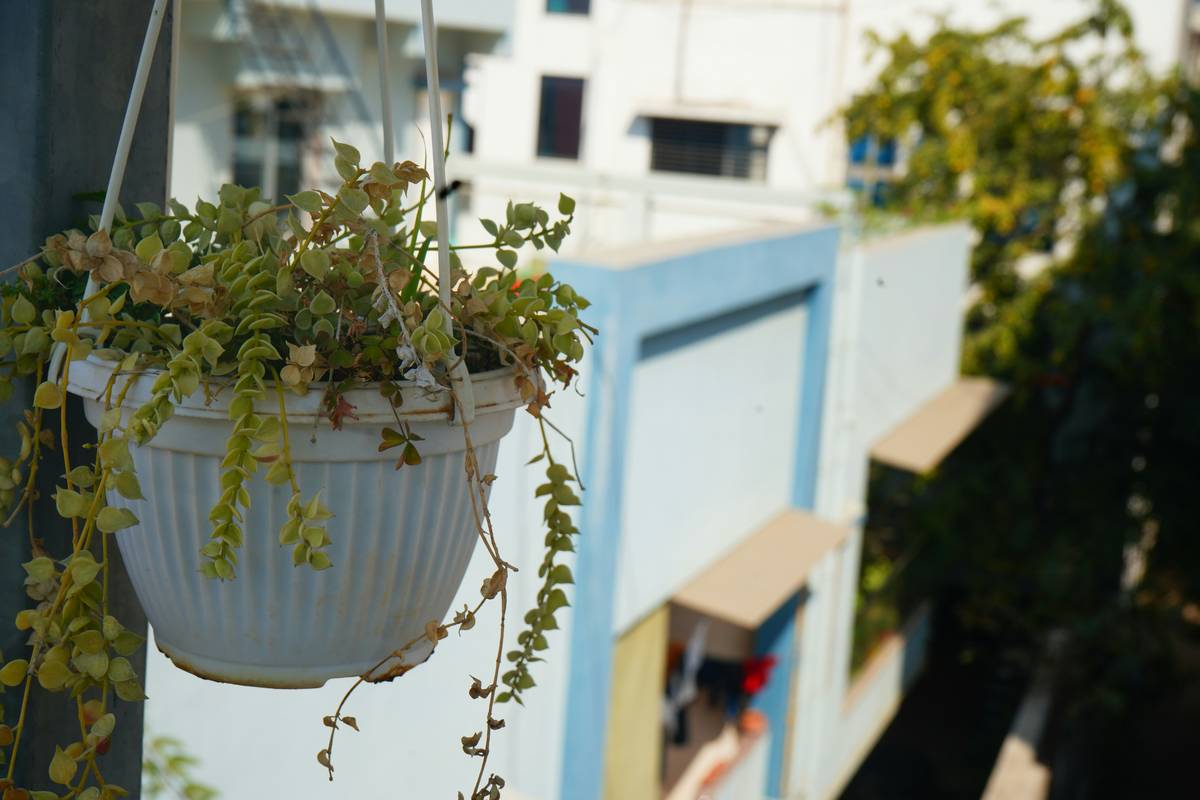
Ever hung a beautiful pothos only to find it wilting—or worse, crashing onto your hardwood floor—two weeks later? You’re not alone. Indoor hanging plants add life, texture, and vertical interest to any space, but they demand more than just a hook and a water can. In this guide, we’ll walk you through actionable, mistake-proof hanging plant ideas indoors that actually thrive—not just survive—in your home. From lighting pitfalls to watering myths, you’ll get real solutions backed by horticultural science and hard-won experience.
Table of Contents
- Why Hanging Plants Matter in Home Improvement
- Step-by-Step Guide to Choosing & Installing Hanging Plants
- Top Best Practices for Long-Term Success
- Real-World Examples That Worked (and One That Didn’t)
- Frequently Asked Questions
Key Takeaways
- Match plants to light conditions—low-light tolerant species like ZZ or heartleaf philodendron perform best in most indoor settings.
- Use well-draining soil and containers with drainage holes to prevent root rot.
- Rotate plants weekly for even growth and fullness.
- Avoid overwatering—the #1 killer of indoor hanging plants.
- Secure mounting hardware properly; drywall anchors aren’t optional.
Why Hanging Plants Matter in Home Improvement
In home improvement, small changes often yield the biggest visual returns. Hanging plants transform dead air space into living design elements—softening corners, drawing the eye upward, and adding biophilic benefits proven to reduce stress. According to a study by the University of Technology Sydney, indoor plants can lower psychological stress by up to 37%. Yet too many homeowners treat them as afterthoughts, leading to brown leaves, leggy vines, or structural mishaps.
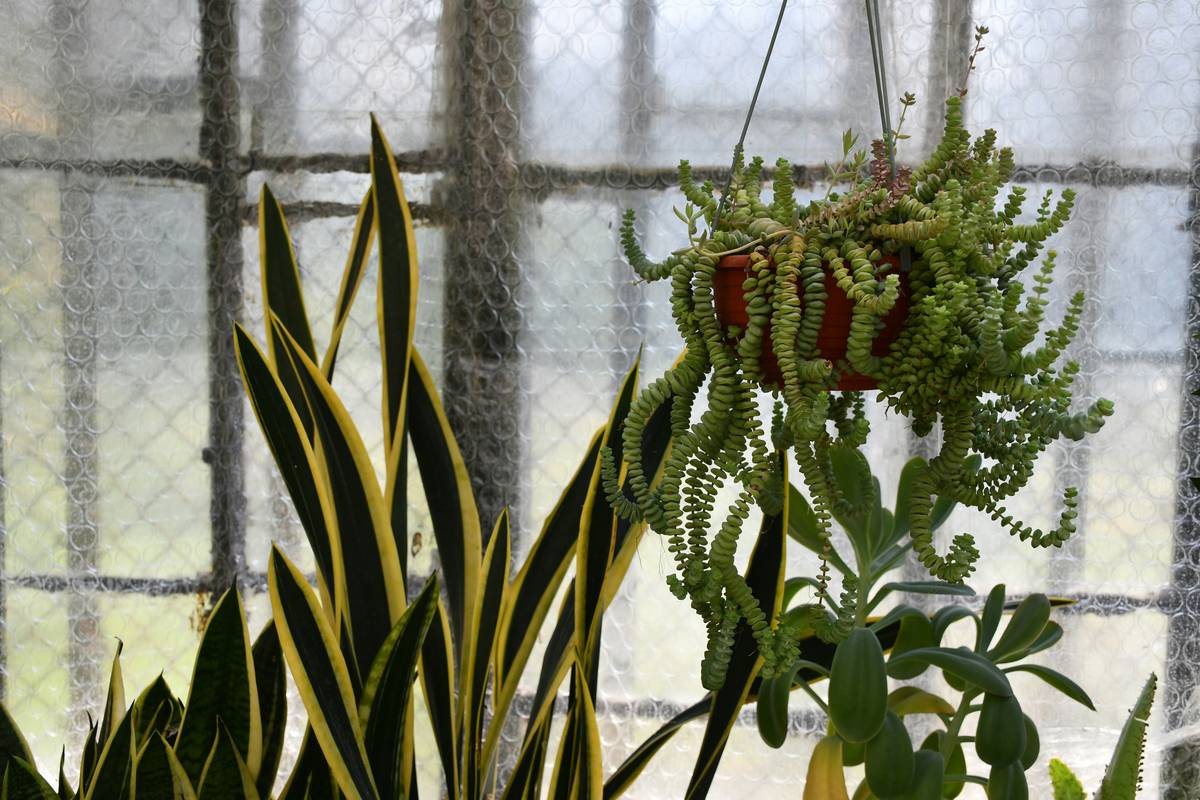
I learned this the hard way when I installed a heavy ceramic pot with a mature string of pearls directly into drywall—no anchor. It held for three days… then crashed during dinner with friends. The mess was one thing; the plant never recovered. Don’t be like me.
Step-by-Step Guide to Choosing & Installing Hanging Plants
1. Assess Your Light Situation
Not all windows are equal. South-facing spots get intense direct light; north-facing offer gentle indirect rays. Choose accordingly: spider plants and Boston ferns love bright, indirect light, while snake plants tolerate low light. When in doubt, check the USDA Plant Hardiness Zone guidelines for indoor applications—they offer practical benchmarks even for non-outdoor use.
2. Pick the Right Pot & Hanger
Opt for lightweight materials like plastic or resin if ceiling strength is uncertain. Ensure pots have drainage holes—yes, even hanging ones. Pair with macramé, metal chains, or ceiling hooks rated for at least 10 lbs. Always use toggle bolts or drywall anchors for safety.
3. Install Securely
Locate ceiling joists using a stud finder. If mounting between joists, use heavy-duty drywall anchors (like TOGGLER SNAPTOGGLE). Test with a slightly heavier weight before hanging your plant.
Top Best Practices for Long-Term Success
- Water deeply but infrequently: Stick your finger 1–2 inches into the soil. Water only when dry. Overwatering causes root rot—a silent killer.
- Mist humidity-lovers weekly: Ferns and orchids appreciate extra moisture, especially in winter.
- Prune regularly: Trim leggy stems to encourage bushier growth.
- Fertilize sparingly: Use a balanced liquid fertilizer at half-strength once a month during growing season (spring–summer).
Terrible tip alert: “Just mist your plants instead of watering them.” Nope. Misting adds negligible moisture to roots—the part that actually needs water. It’s decorative hydration, not real care.
My pet peeve? Those $5 “hanging succulent kits” sold online with no drainage and glued-on pebbles. Succulents hate soggy soil, and sealing their surface with rocks guarantees rot. Skip the gimmicks—invest in proper setup from day one.
Real-World Examples That Worked (and One That Didn’t)
In my own home, I’ve successfully maintained a trailing golden pothos in a north-facing bathroom for 18 months using a lightweight plastic pot and monthly rotation. It now cascades over 4 feet long. Contrast that with my failed attempt at hanging a maidenhair fern in a west-facing living room—it fried within weeks due to excessive afternoon sun, despite daily misting.
Data supports these outcomes: NASA’s Clean Air Study found that certain hanging-friendly plants like pothos and spider plants actively remove indoor air pollutants such as formaldehyde and xylene. This isn’t just aesthetics—it’s functional home improvement.
Frequently Asked Questions
What are the easiest hanging plants for beginners?
Pothos, spider plant, and heartleaf philodendron top the list. They tolerate irregular watering, low-to-medium light, and bounce back from minor neglect.
How often should I water hanging indoor plants?
There’s no universal schedule. Check soil moisture weekly. Most need watering every 7–14 days, depending on light, temperature, and pot size.
Can I hang plants in rooms with no natural light?
Yes—with grow lights. Full-spectrum LED bulbs (6500K) placed 6–12 inches above the plant for 8–12 hours daily can sustain low-light varieties like ZZ plants.
Why are my hanging plant leaves turning yellow?
Usually due to overwatering or poor drainage. Less commonly, it could signal nutrient deficiency or sudden light changes.
Are hanging plant ideas indoors safe around pets?
Some popular varieties (like pothos) are toxic to cats and dogs. Always verify toxicity via the ASPCA’s official plant database before bringing a new plant home.
Where can I learn more about sustainable gardening practices?
Explore resources like the U.S. EPA’s Green Living page for eco-friendly tips that complement indoor gardening.
Conclusion
Hanging plant ideas indoors blend beauty with function—but only when grounded in smart care, secure installation, and realistic expectations. Avoid the common traps, lean on proven methods, and your ceilings will soon bloom with green confidence. Ready to design your dream indoor jungle? Contact us for personalized advice, and don’t forget to explore our About Us page to learn how our hands-on gardening journey informs every tip we share. And yes—we take privacy seriously, as detailed in our Privacy Policy.
Up high, down low—may your vines grow where they’re planted… and everywhere else too.

