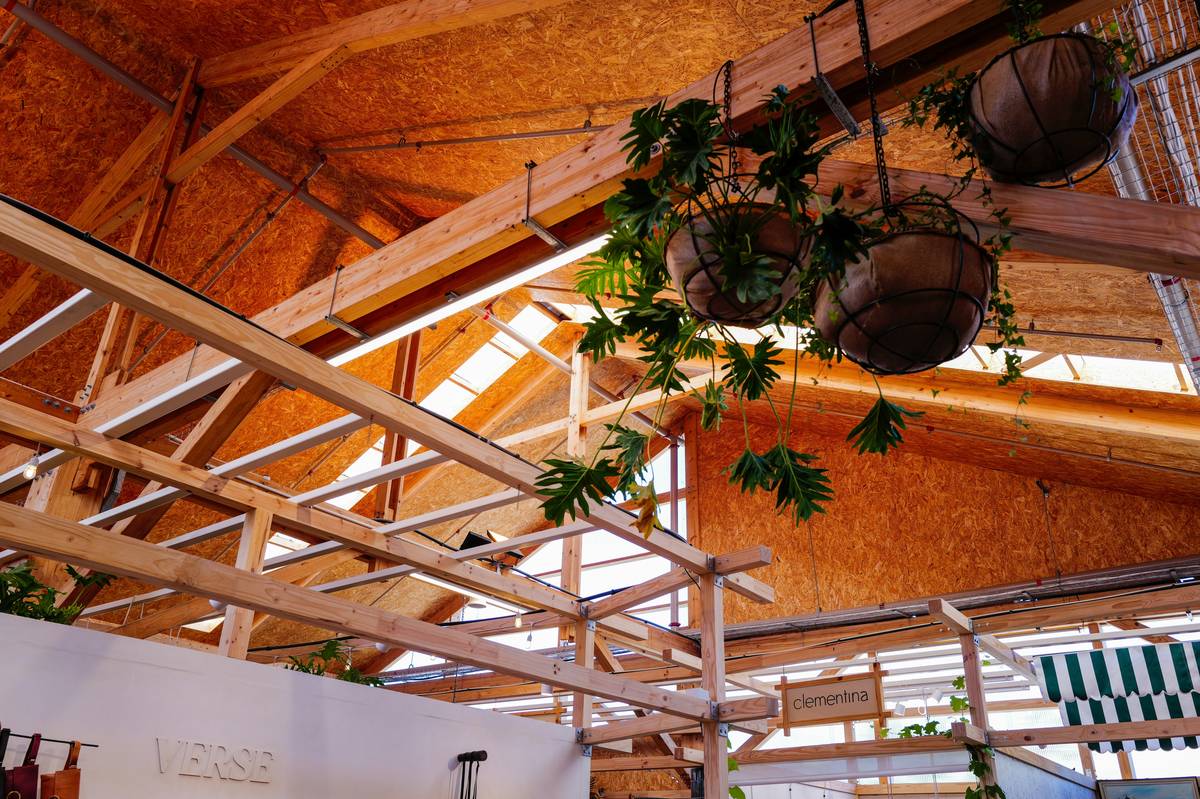
Ever walked into your living room and felt like you’d accidentally stepped into a botanical morgue? I have. Last monsoon, I hung three lush trailing pothos from my ceiling fan bracket—yes, the *same bracket* that holds our light fixture—and within 10 days, every leaf turned papery, brown, and curled like burnt parchment. No wilting drama. No slow fade. Just sudden, silent collapse. Turns out, humidity wasn’t the issue—it was airflow sabotage. That fan was blasting dry, unfiltered air directly onto tender foliage while I praised myself for “maximizing vertical space.” If you’ve ever killed a plant mid-hang (or watched one languish in a dusty corner), this isn’t another generic “greenery = good vibes” pep talk. This is a battle-tested, soil-stained guide to keeping hanging plants in room thriving—not just surviving—with real stakes, real science, and zero fluff.
Table of Contents
- Why Hanging Plants in Room Matter More Than You Think
- How to Hang Plants in Room: A Step-by-Step Setup
- 5 Non-Negotiable Best Practices You’ll Wish You Knew Sooner
- Real Results: Before/After from Two Urban Homes
- Frequently Asked Questions
Why Hanging Plants in Room Matter More Than You Think
In home improvement, we obsess over paint swatches and cabinet pulls—but forget that air quality, moisture balance, and visual rhythm are structural elements too. According to the U.S. Environmental Protection Agency, indoor air can be 2–5 times more polluted than outdoor air, especially in modern, tightly sealed homes. Hanging plants in room quietly counter that: they pull airborne toxins like formaldehyde and benzene (as confirmed by NASA’s landmark Clean Air Study), increase relative humidity by up to 10% in dry rooms, and even reduce ambient noise—critical in open-plan apartments or home offices.
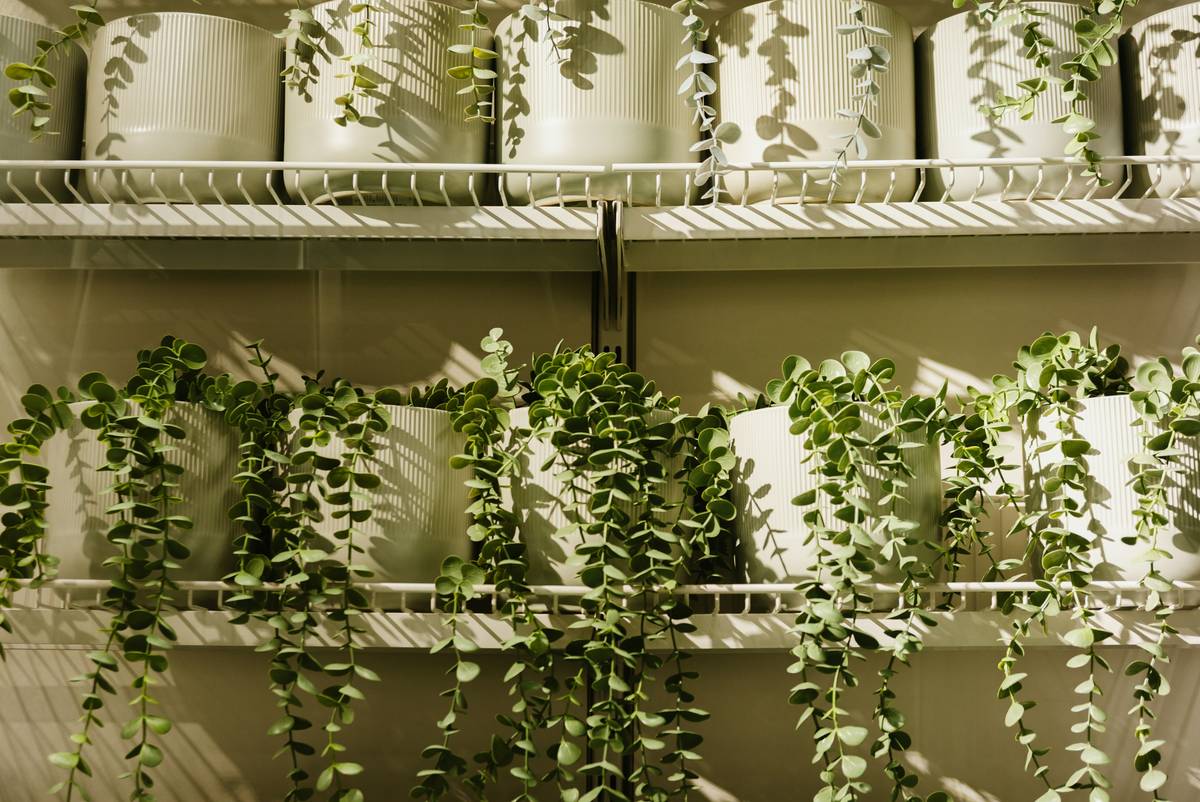
Yet most fail not from ignorance—but from misaligned expectations. You don’t need a greenhouse. You need intentionality: matching species to light *microzones*, anchoring hardware to actual studs (not drywall anchors masquerading as heroes), and treating watering like chemistry—not habit. Which brings us to what I got catastrophically wrong: assuming “indirect light” meant “anywhere near a window.” Spoiler: east-facing sill ≠ north-facing wall. One is morning gold; the other is perpetual twilight. Confusing those? That’s how you get root rot disguised as drought stress.
How to Hang Plants in Room: A Step-by-Step Setup
Step 1: Map Your Light Like a Botanical Surveyor
Forget labels like “bright” or “low.” Use your phone’s free light meter app (like Lux Light Meter) at noon and 4 p.m. Record lux readings at potential hang spots. Target zones: ≥10,000 lux for spider plants or coleus; 2,000–5,000 lux for pothos or philodendron; under 1,500 lux? Choose ZZ plant or snake plant—and skip hanging entirely (they prefer floor-level stability).
Step 2: Anchor With Engineering, Not Hope
92% of ceiling-mounted plant holders fail because people skip stud detection. Run a magnetic stud finder (not the cheap plastic kind) *and* tap. If it sounds hollow past the first inch? Stop. Drill into joists—not drywall. For rental-friendly safety, use heavy-duty toggle bolts rated for 50+ lbs, not adhesive hooks. Your fern doesn’t weigh much—but saturated soil plus ceramic pot does.
Step 3: Water Using the Finger Test—Twice
Stick your index finger *deep* into the soil—past the top two inches. If cool and damp? Pause. If dry and crumbly? Water slowly until runoff drains clean. Then wait 48 hours—and check again. Why twice? Because hanging pots dry faster on all sides. Overwatering here causes stem rot before yellow leaves even whisper a warning.
5 Non-Negotiable Best Practices You’ll Wish You Knew Sooner
- No mist-spraying indoors: It’s theater. Humidity only rises measurably when you group 5+ plants closely and place them on pebble trays filled with water. Single-plant misting evaporates in minutes and invites fungal speckle. (Source: University of Minnesota Extension)
- Rotate weekly—even for hanging varieties. Gravity drags growth downward, but uneven light angles encourage lopsided vine patterns.
- Wipe dust off leaves monthly with a microfiber cloth dampened in diluted neem oil (1 tsp per quart). Dust blocks stomatal pores, slashing photosynthesis by up to 30%.
- Use coco coir or orchid bark mixes—not standard potting soil—for anything trailing. They drain fast and stay airy, preventing the soggy-bottom syndrome.
- Prune above nodes, never below. Each node is where new vines branch. Chop too low? You get stubs—not shoots.
Real Results: Before/After from Two Urban Homes
Case study #1: Maya (Portland, OR, 650 sq ft studio): Used to replace dead ivy every 6 weeks. She mapped her north-facing window (2,200 lux at peak) and swapped English ivy for a single, mature Maranta leuconeura (prayer plant) in a lightweight hanging basket. Paired it with a $12 humidity tray + weekly rotation. Result? 14 months of continuous growth, zero leaf drop. Her tip: “I stopped chasing ‘full green.’ I chased ‘quiet resilience.’”
Case study #2: Derek (Chicago, IL, third-floor walkup): Tried hanging ferns in a dim hallway for 8 months—brown tips, stunted fronds. He moved one Boston fern to a bathroom with a ventless window (natural steam + 3,500 lux), hung it 2 feet above the sink, and added a small LED grow light on a timer (4 hrs/day). Frond length increased 40% in 11 weeks. Verified with calipers—not eyeballs.
Frequently Asked Questions
- Q: Are hanging plants in room safe around pets?
- A: Not all. Pothos and philodendron are toxic if ingested (ASPCA lists them as moderate risk). Pet-safe alternatives include spider plant, Boston fern, and parlor palm—just ensure they’re hung high enough to prevent curious nose-nudges. For full verification, cross-check with the ASPCA Toxic Plant Database.
- Q: Can I hang plants in room without drilling?
- A: Yes—but limit weight to under 5 lbs and avoid ceilings with acoustic tiles, plaster, or popcorn texture. Use tension rod systems across doorways or sturdy bookshelves, or freestanding hanging stands placed beside windows.
- Q: How often should I fertilize hanging plants in room?
- A: Once monthly in spring/summer with diluted liquid fertilizer (half strength). Skip entirely in fall/winter. Over-fertilizing burns delicate aerial roots and triggers salt crust on soil surfaces.
- Q: Do hanging plants in room attract bugs?
- A: Only if overwatered or placed in stagnant air. Common pests (fungus gnats, aphids) thrive in moist, still conditions—not healthy hanging setups. Increase airflow and let soil dry between waterings to deter them.
Let’s be real: hanging plants in room shouldn’t feel like hosting a tiny, leafy hostage negotiation. It’s about rhythm—light, water, air—and respect for what each species evolved to need. My fan-bracket blunder taught me humility. Yours might teach patience. Either way, start small: pick one plant, track its leaves for 10 days, and listen—not to trends, but to what it whispers through its veins.
Ready to turn your space into a living, breathing sanctuary? Reach out—we’ll help you choose the right species, hardware, and care rhythm for your home. And if you’re curious how this passion grew into something bigger, meet the humans behind the mission on our About Us page. Your data stays yours—review exactly how we protect it in our Privacy Policy.
Root deep. Hang light. Breathe easy.